Again, my advice is for the before-times. Whatever TikTok would have you believe, you will not shield yourself from getting arrested simply by trying to hide in your house if they do have a warrant for you, and it is not unsafe to walk out and talk with them if they don’t have a warrant for you (as long as you don’t say shit and keep it brief).
Even in the “before-times” there is no reason to actually answer the door unless they present a warrant signed by a judge.
What is the benefit of stepping outside the legal protection of your home? You are under no obligation to speak to the police even if you have been arrested, you cannot be forced to incriminate yourself in a crime. That’s why we have the 5th amendment.
The go too line is “I don’t answer questions without a lawyer present”. If they press you and tell you that they will charge you with impending an investigation. Tell them “I would love to cooperate, but I really feel I would need to speak to a lawyer first”. This makes any delay in the investigation their responsibility as things would be moving along if they weren’t denying you your right to representation.
What rights are those? Be specific.
The Fourth Amendment protects the sanctity of the home against unreasonable searches and seizures. A warrant is required to enter a private residence for a routine arrest, establishing that there is probable cause and that a judge has authorized the police to enter. Exceptions to this rule include emergencies, consent, and “hot pursuit,” where police have probable cause to believe a person is fleeing into the home to escape an immediate threat.
Meaning that by stepping outside your home, the required probable cause for your arrest is lowered to the judgement of the arresting officer and not a Judge. Just opening the door can open avenues of argument in court, like the cop lying and saying they heard someone ask for help, or that they saw illegal activities happening from the doorway.
Even if it may not protect you from being arrested, if an officer violates your 4th amendment protections any evidence found during an illegal search is dismissable in court.
Never answer the door unless they present a warrant with a judges signature. A good investment is a camera with 2 way voice communication, so if you do want to communicate with police(to tell them to leave), you can do it without breaching the legal security of your home.
They can 100% tell you verbally through the door “You are under arrest,” and at that point, staying inside your house is obstruction. This idea that by making it physically difficult for the cops to put their hands on you, you’re putting yourself in a better position legally or practically, is 100% wrong. They are well prepared to deal with physical obstructions. In general, being antagonistic to the police or putting obstacles in the way of them doing basic things like talking will motivate them to make your life more difficult, which they definitely can do.
Personally, I think people place way too much emphasis on the “arrested” part of the equation and way too little on the “charged and building the case” part. If you stay inside, they leave and issue a warrant for you because they never got a chance to talk to you, and then pick you up later, for example, you’ve gained absolutely nothing. If you step outside, they arrest you, but you didn’t manage to add any charges with how you handled yourself and didn’t give them anything to help them build their case, then that’s about the best outcome you can have. Crucially, I think encouraging people to be physically obstructive with the cops tends to build habits that can serve them very very poorly in the future.
If you don’t believe me, here are some law offices’ professional explanations, which honestly are kind of better than what I said. What I said is just a clear simple guideline based on my understanding.
Again, all of this is kind of fluid or no longer accurate right now anyway, because the rules are changing. In the current climate I would start to lean more towards just not answering the door at all, but a lot of it depends on what agency they’re with.
They can 100% tell you verbally through the door “You are under arrest,” and at that point, staying inside your house is obstruction. This idea that by making it physically difficult for the cops to put their hands on you, you’re putting yourself in a better position legally or practically, is 100% wrong.
Lol, no they cannot… Not unless they have an arrest or search warrant.
From your own source
“If the police do not have a warrant, you can:
Greet them outside after exiting through another door if you think they might try to force their way into your home.
Speak with officers with the door ajar and secured by a chain lock.
Decline to answer the door at all.”
They are well prepared to deal with physical obstructions. In general, being antagonistic to the police or putting obstacles in the way of them doing basic things like talking will motivate them to make your life more difficult, which they definitely can do.
It’s not the door that is obstructing them, it’s the 4th amendment. Keeping the door closed just makes it a lot more apparent if they decide to disregard your constitutional rights.
Personally, I think people place way too much emphasis on the “arrested” part of the equation and way too little on the “charged and building the case” part.
Keeping police out of your residence is a pretty good way from having them collect evidence to build a case against you. To obtain a warrant they have to present evidence to a judge that there is a reasonable cause to breach your rights.
If you stay inside, they leave and issue a warrant for you because they never got a chance to talk to you, and then pick you up later, for example, you’ve gained absolutely nothing.
If you go to step outside and they falsely claim that they witnessed something inside that provides reason to enter your home you may lose your 4th amendment protections.
This is why in the source you posted it specifies that if you want to talk to them with the door ajar to keep it locked with a chain. Police are know to put their foot in the door, or stand in the doorway so that if you attempt to close it on them they can claim you assaulted them.
think encouraging people to be physically obstructive with the cops tends to build habits that can serve them very very poorly in the future.
Lol, utilizing your rights is not “physical obstruction”.
f you don’t believe me, here are some law offices’ professional explanations, which honestly are kind of better than what I said. What I said is just a clear simple guideline based on my understanding.
You didn’t read these, or you didn’t comprehend what you read. You should not be advising anyone about their rights if you have no idea about how the 4th or 5th amendment function.
They can 100% tell you verbally through the door “You are under arrest,” and at that point, staying inside your house is obstruction. This idea that by making it physically difficult for the cops to put their hands on you, you’re putting yourself in a better position legally or practically, is 100% wrong.
Lol, no they cannot…… Not unless they have an arrest or search warrant.
I don’t think you understand how a cop telling you “you are under arrest” works, and I don’t really want to have an extended back and forth with you about this. You can read the links I sent, if you want general guidance. Cheers.
That’s pretty much what you can expect if you try the “I’m inside I’m not opening the door” strategy. Like you can see from the end of the video, the cops didn’t really have any ability to charge them with anything as long as they exercised their shut the fuck up skills (which, to their credit, they did a great job with). But all it accomplished refusing to open the door was to make the situation a lot more violent before the conversation with the cops happened where they refused to say anything.
I think, probably, the homeowners were correct that the situation wasn’t that big a deal in the first place. But, they made a pretty serious mistake by listening to your brand of TikTok law and getting their door destroyed and getting arrested as a result, instead of just walking outside and having the conversation pre-handcuffs.
But all it accomplished refusing to open the door was to make the situation a lot more violent before the conversation with the cops happened where they refused to say anything.
They had probable cause… A person inside the building was the person who made the report and the officers were able to see blood through the unobscured glass doors.
This is nothing like what we were talking about.
But, they made a pretty serious mistake by listening to your brand of TikTok law and getting their door destroyed and getting arrested as a result, instead of just walking outside and having the conversation pre-handcuffs.
They made a mistake by having glass doors that give them no privacy. And it’s not ticktock law, it’s just the law.
If you want to abandon your 4th amendment rights, go right ahead.
Also… How long has this been living rent free in your head? This back and forth was done ages ago.
There are a couple more I happened to run across, this one just seemed really on the nose about what generally will happen if you try to hide in your house. It reminded me of our conversation.
In another of them, the girl had a warrant and tried to refuse to come out of her house so she wouldn’t have to stay in jail for the weekend. Long story short, she got arrested and more charges. That one, they didn’t have the ability to enter the house without a warrant, they just had the arrest warrant for her specifically, so they were waiting for a judge to sign off on a warrant but were able to talk her into coming out before the warrant came through.
There was another where the guy was hiding in a closet inside the house. They didn’t have a warrant, but they did have probable cause to enter the place, so long story short he got arrested even with the hiding in the closet part.
Your summary of how it works, way way above, was actually pretty accurate (warrant or emergency being the two main exceptions to the general rule that they can’t come in your house). The thing is that about 90% of the situations where they’re coming to the door and are planning to arrest you will fall into one or the other of those categories. You gain nothing in the “they just want to talk” situation, and you gain nothing in the “they want to arrest you” situation. These are just some examples of people who tried to solve the problem by not interacting physically with the cops, and then it not working to accomplish anything positive.
(Again, this is only for local law enforcement, and only if they are generally aboveboard. For ICE or federal law enforcement, or if you’re not sure, I think not answering the door is probably smarter at this point.)
Long story short, she got arrested and more charges.
Like?
they were waiting for a judge to sign off on a warrant but were able to talk her into coming out before the warrant came through.
And how does this support your argument? She was talked out of the protection of her home.
was hiding in a closet inside the house. They didn’t have a warrant, but they did have probable cause to enter the place, so long story short he got arrested even with the hiding in the closet part.
Again… If it goes to court and the lawyers can defend the officers reasoning for probable cause then they throw out the case. If you volunteer yourself they don’t have to establish a legitimate probable cause.
The thing is that about 90% of the situations where they’re coming to the door and are planning to arrest you will fall into one or the other of those categories.
Not at all… They need to be able to provide evidence for their breach of your rights in court. Will it help you beat the ride, no. But it very well may help you beat the case, which is the important bit.

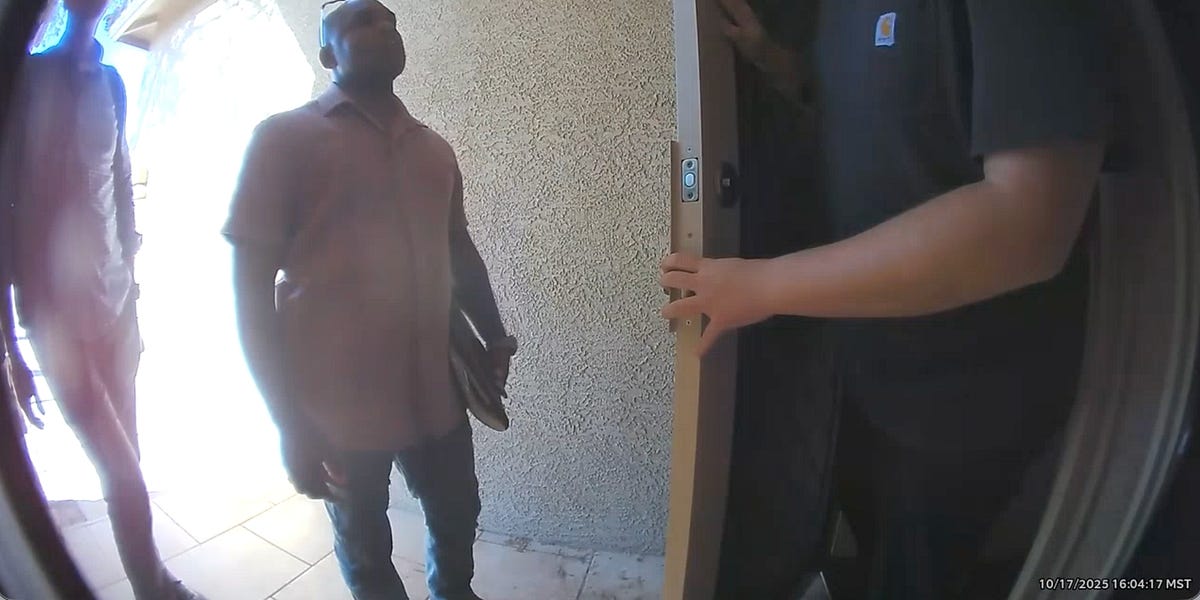
Even in the “before-times” there is no reason to actually answer the door unless they present a warrant signed by a judge.
What is the benefit of stepping outside the legal protection of your home? You are under no obligation to speak to the police even if you have been arrested, you cannot be forced to incriminate yourself in a crime. That’s why we have the 5th amendment.
The go too line is “I don’t answer questions without a lawyer present”. If they press you and tell you that they will charge you with impending an investigation. Tell them “I would love to cooperate, but I really feel I would need to speak to a lawyer first”. This makes any delay in the investigation their responsibility as things would be moving along if they weren’t denying you your right to representation.
The Fourth Amendment protects the sanctity of the home against unreasonable searches and seizures. A warrant is required to enter a private residence for a routine arrest, establishing that there is probable cause and that a judge has authorized the police to enter. Exceptions to this rule include emergencies, consent, and “hot pursuit,” where police have probable cause to believe a person is fleeing into the home to escape an immediate threat.
Meaning that by stepping outside your home, the required probable cause for your arrest is lowered to the judgement of the arresting officer and not a Judge. Just opening the door can open avenues of argument in court, like the cop lying and saying they heard someone ask for help, or that they saw illegal activities happening from the doorway.
Even if it may not protect you from being arrested, if an officer violates your 4th amendment protections any evidence found during an illegal search is dismissable in court.
Never answer the door unless they present a warrant with a judges signature. A good investment is a camera with 2 way voice communication, so if you do want to communicate with police(to tell them to leave), you can do it without breaching the legal security of your home.
They can 100% tell you verbally through the door “You are under arrest,” and at that point, staying inside your house is obstruction. This idea that by making it physically difficult for the cops to put their hands on you, you’re putting yourself in a better position legally or practically, is 100% wrong. They are well prepared to deal with physical obstructions. In general, being antagonistic to the police or putting obstacles in the way of them doing basic things like talking will motivate them to make your life more difficult, which they definitely can do.
Personally, I think people place way too much emphasis on the “arrested” part of the equation and way too little on the “charged and building the case” part. If you stay inside, they leave and issue a warrant for you because they never got a chance to talk to you, and then pick you up later, for example, you’ve gained absolutely nothing. If you step outside, they arrest you, but you didn’t manage to add any charges with how you handled yourself and didn’t give them anything to help them build their case, then that’s about the best outcome you can have. Crucially, I think encouraging people to be physically obstructive with the cops tends to build habits that can serve them very very poorly in the future.
If you don’t believe me, here are some law offices’ professional explanations, which honestly are kind of better than what I said. What I said is just a clear simple guideline based on my understanding.
https://sieronlaw.com/posts/when-police-show-up-at-your-door/
https://www.snaderlawgroup.com/dos-donts-police-door/
https://www.ohlsonlawoffice.com/blog/2024/09/what-to-do-if-the-police-come-to-your-door-a-guide-to-handling-the-situation/
Again, all of this is kind of fluid or no longer accurate right now anyway, because the rules are changing. In the current climate I would start to lean more towards just not answering the door at all, but a lot of it depends on what agency they’re with.
Lol, no they cannot… Not unless they have an arrest or search warrant.
From your own source
“If the police do not have a warrant, you can: Greet them outside after exiting through another door if you think they might try to force their way into your home. Speak with officers with the door ajar and secured by a chain lock. Decline to answer the door at all.”
It’s not the door that is obstructing them, it’s the 4th amendment. Keeping the door closed just makes it a lot more apparent if they decide to disregard your constitutional rights.
Keeping police out of your residence is a pretty good way from having them collect evidence to build a case against you. To obtain a warrant they have to present evidence to a judge that there is a reasonable cause to breach your rights.
If you go to step outside and they falsely claim that they witnessed something inside that provides reason to enter your home you may lose your 4th amendment protections.
This is why in the source you posted it specifies that if you want to talk to them with the door ajar to keep it locked with a chain. Police are know to put their foot in the door, or stand in the doorway so that if you attempt to close it on them they can claim you assaulted them.
Lol, utilizing your rights is not “physical obstruction”.
You didn’t read these, or you didn’t comprehend what you read. You should not be advising anyone about their rights if you have no idea about how the 4th or 5th amendment function.
I don’t think you understand how a cop telling you “you are under arrest” works, and I don’t really want to have an extended back and forth with you about this. You can read the links I sent, if you want general guidance. Cheers.
Again… It’s not something you have to leave your house for unless they have an arrest warrant.
The quote I used from those sources disproves your claim. Your sources don’t support your argument at all.
I happened to run across a video which is highly pertinent to this situation.
https://www.youtube.com/watch?v=IC2h2bSZJao
That’s pretty much what you can expect if you try the “I’m inside I’m not opening the door” strategy. Like you can see from the end of the video, the cops didn’t really have any ability to charge them with anything as long as they exercised their shut the fuck up skills (which, to their credit, they did a great job with). But all it accomplished refusing to open the door was to make the situation a lot more violent before the conversation with the cops happened where they refused to say anything.
I think, probably, the homeowners were correct that the situation wasn’t that big a deal in the first place. But, they made a pretty serious mistake by listening to your brand of TikTok law and getting their door destroyed and getting arrested as a result, instead of just walking outside and having the conversation pre-handcuffs.
They had probable cause… A person inside the building was the person who made the report and the officers were able to see blood through the unobscured glass doors.
This is nothing like what we were talking about.
They made a mistake by having glass doors that give them no privacy. And it’s not ticktock law, it’s just the law.
If you want to abandon your 4th amendment rights, go right ahead.
Also… How long has this been living rent free in your head? This back and forth was done ages ago.
There are a couple more I happened to run across, this one just seemed really on the nose about what generally will happen if you try to hide in your house. It reminded me of our conversation.
In another of them, the girl had a warrant and tried to refuse to come out of her house so she wouldn’t have to stay in jail for the weekend. Long story short, she got arrested and more charges. That one, they didn’t have the ability to enter the house without a warrant, they just had the arrest warrant for her specifically, so they were waiting for a judge to sign off on a warrant but were able to talk her into coming out before the warrant came through.
There was another where the guy was hiding in a closet inside the house. They didn’t have a warrant, but they did have probable cause to enter the place, so long story short he got arrested even with the hiding in the closet part.
Your summary of how it works, way way above, was actually pretty accurate (warrant or emergency being the two main exceptions to the general rule that they can’t come in your house). The thing is that about 90% of the situations where they’re coming to the door and are planning to arrest you will fall into one or the other of those categories. You gain nothing in the “they just want to talk” situation, and you gain nothing in the “they want to arrest you” situation. These are just some examples of people who tried to solve the problem by not interacting physically with the cops, and then it not working to accomplish anything positive.
(Again, this is only for local law enforcement, and only if they are generally aboveboard. For ICE or federal law enforcement, or if you’re not sure, I think not answering the door is probably smarter at this point.)
Like?
And how does this support your argument? She was talked out of the protection of her home.
Again… If it goes to court and the lawyers can defend the officers reasoning for probable cause then they throw out the case. If you volunteer yourself they don’t have to establish a legitimate probable cause.
Not at all… They need to be able to provide evidence for their breach of your rights in court. Will it help you beat the ride, no. But it very well may help you beat the case, which is the important bit.