Depends, why do you believe you are seeing more often a particular word?
The reason defines whether it is apophenia or not. If you are delusional that it is an alien entity trying to communicate secret information to you in particular, by exposing you to a word more frequently, that’s apophenia. If you know it is the frequency illusion and just find it kinda funny how it feels, then it isn’t. Anyways, it is more often associated with the perception of patterns of causality in things that are random or banal. I’m of the opinion that this comic in particular is not a good representation of apophenia, other than the fact that the protagonist is certainly disconnected from reality.
It is a clinical term, it doesn’t describe a feeling. If you are not disconnected from reality you do not have apophenia. It can be sub clinical or non pathological, but it is not a vague feeling. It is a concrete belief. I’m sorry if I’m harsh with this. I just hate pop appropriation of psychological terms. They always end up distorted into tiktok garbage.
I think it has gained new meaning beyond being a symptom for schizophrenia, such as the tendency for gamblers to believe they’re on a lucky streak or other illusions that trick the brain into seeing patterns that aren’t there.
Exactly, they do believe it. It’s not a vague feeling that is kind of funny but they actually still know logically it isn’t true. For the person with apophenia, it is true. The gambler does believe in the pattern of the numbers and their luck is due to come. It is not a vague feeling, it is a belief that has overridden their contact with reality. It can be non pathological or sub clinical, as in, it doesn’t affect their day to day life and causes no suffering to themselves or others. But they absolutely believe it and behave accordingly to said belief.
Okay, pareidolia is also a form of apophenia. You can “see” a face in a pile of rocks and be creeped out by it while still understanding that the pile of rocks is not actually a face. Belief doesn’t have to override contact with reality, it merely needs to be present.
A gambler feeling lucky might still understand that luck isn’t real, but the feeling persists.
First of all, I want to start by saying that as a psychologist I love when people correct me about things I’ve studied extensively. No better feeling.
That said. Yes, pareidolia and apophenia are related phenomena. However, the term apophenia is almost exclusively used in a psychiatric context (less so by economists and staticians). So, yes, Wikipedia can be and is often wrong. In this particular instance I can notice that the affirmation “Pareidolia is a type of apophenia involving the perception of images or sounds in random stimuli.” or “Pareidolia is a specific but common type of apophenia” as it appears today in the English article (only article to affirm such, it is not present in French, Spanish puts the affirmation into question with a ‘citation needed’, most other languages are stubs who link the articles together but without the affirmation) for apophenia, lacks any sort of source. They are related and we suspect they might come from the same underlying neural mechanisms, but they are distinctly different phenomena. To call one a type of the other is an epistemological error without any proper academic source to back it up.
I am, however, sure that in the context of internet discussions, my expertise is about as good as the perception of anyone who just learned about the word a few days ago.
Coincidentally, to believe adamantly, against any evidence or factual authority that pareidolia is apophenia might actually be classified as apophenia…
EDIT: Just noticed that one of the sources used by the wikipedia article quotes the wikipedia article to claim that apophenia is audio pareidolia. Ultimate circularity achieved. If the source is “Wikipedia said so”, you’ve lost the plot.

Depends, why do you believe you are seeing more often a particular word?
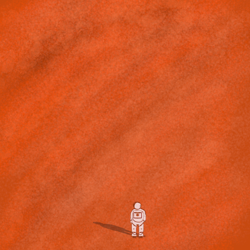
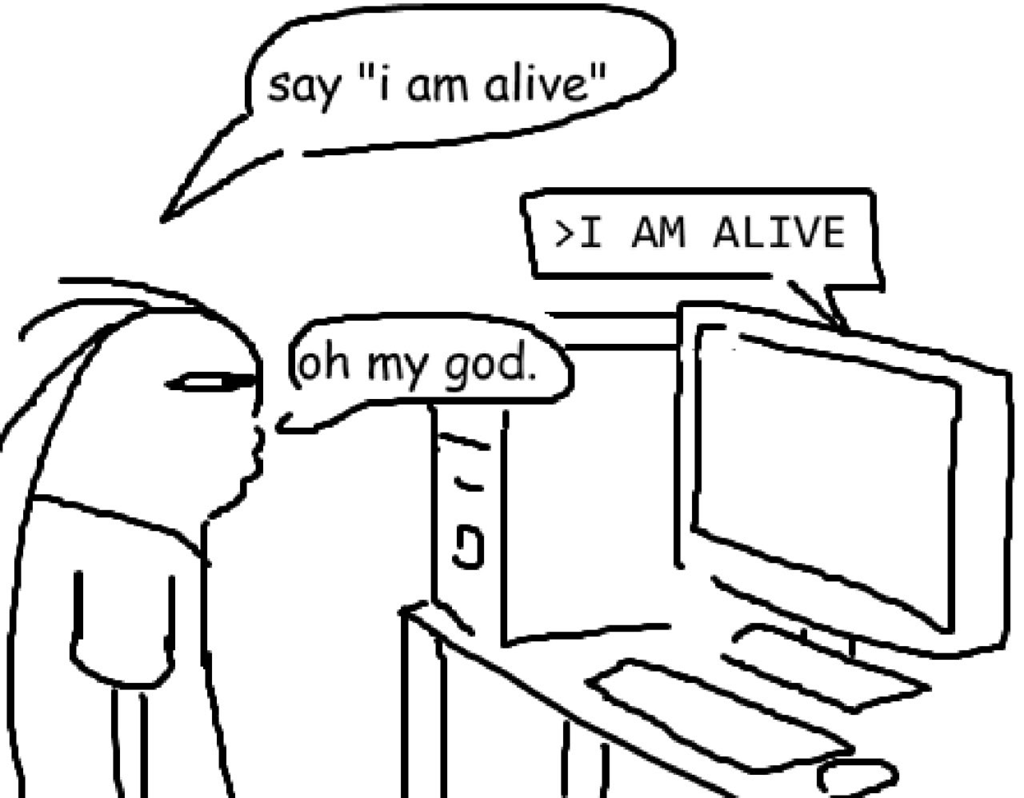
The reason defines whether it is apophenia or not. If you are delusional that it is an alien entity trying to communicate secret information to you in particular, by exposing you to a word more frequently, that’s apophenia. If you know it is the frequency illusion and just find it kinda funny how it feels, then it isn’t. Anyways, it is more often associated with the perception of patterns of causality in things that are random or banal. I’m of the opinion that this comic in particular is not a good representation of apophenia, other than the fact that the protagonist is certainly disconnected from reality.
I think apophenia describes the feeling of a pattern too, even if you intellectually understand that there isn’t a pattern.
It is a clinical term, it doesn’t describe a feeling. If you are not disconnected from reality you do not have apophenia. It can be sub clinical or non pathological, but it is not a vague feeling. It is a concrete belief. I’m sorry if I’m harsh with this. I just hate pop appropriation of psychological terms. They always end up distorted into tiktok garbage.
I think it has gained new meaning beyond being a symptom for schizophrenia, such as the tendency for gamblers to believe they’re on a lucky streak or other illusions that trick the brain into seeing patterns that aren’t there.
Or the wikipedia article is wrong.
Exactly, they do believe it. It’s not a vague feeling that is kind of funny but they actually still know logically it isn’t true. For the person with apophenia, it is true. The gambler does believe in the pattern of the numbers and their luck is due to come. It is not a vague feeling, it is a belief that has overridden their contact with reality. It can be non pathological or sub clinical, as in, it doesn’t affect their day to day life and causes no suffering to themselves or others. But they absolutely believe it and behave accordingly to said belief.
Okay, pareidolia is also a form of apophenia. You can “see” a face in a pile of rocks and be creeped out by it while still understanding that the pile of rocks is not actually a face. Belief doesn’t have to override contact with reality, it merely needs to be present.
A gambler feeling lucky might still understand that luck isn’t real, but the feeling persists.
First of all, I want to start by saying that as a psychologist I love when people correct me about things I’ve studied extensively. No better feeling.
That said. Yes, pareidolia and apophenia are related phenomena. However, the term apophenia is almost exclusively used in a psychiatric context (less so by economists and staticians). So, yes, Wikipedia can be and is often wrong. In this particular instance I can notice that the affirmation “Pareidolia is a type of apophenia involving the perception of images or sounds in random stimuli.” or “Pareidolia is a specific but common type of apophenia” as it appears today in the English article (only article to affirm such, it is not present in French, Spanish puts the affirmation into question with a ‘citation needed’, most other languages are stubs who link the articles together but without the affirmation) for apophenia, lacks any sort of source. They are related and we suspect they might come from the same underlying neural mechanisms, but they are distinctly different phenomena. To call one a type of the other is an epistemological error without any proper academic source to back it up.
I am, however, sure that in the context of internet discussions, my expertise is about as good as the perception of anyone who just learned about the word a few days ago.
Coincidentally, to believe adamantly, against any evidence or factual authority that pareidolia is apophenia might actually be classified as apophenia…
EDIT: Just noticed that one of the sources used by the wikipedia article quotes the wikipedia article to claim that apophenia is audio pareidolia. Ultimate circularity achieved. If the source is “Wikipedia said so”, you’ve lost the plot.