I think in some respects, the ‘decade’ culture breaks had a run from 1910 to early 90s, and less so now.
Before radio and television, culture just didn’t change fast and far enough to really get that sort of clear delineation going.
Then with radio and television, cultural content spread instantly, but broadcast nature had relatively small number of people curating the media everyone got. So folks had a very common frame of reference. Broadly speaking each decade had pretty clear cultural features, but at any time the previous and current decades felt credibly ‘modern’.
In the late 2000s, while the 90s were still ‘current’, streaming basically started to break the ‘everyone gets the same stuff’ experience of broadcast media. So meme’s would crop up and provide some of it, but nowadays the bulk of online experience varies much more person to person minimizing that common frame of reference. So for example, Weird Al has stated that it’s much harder to identify good songs to do than back in the broadcast era, since things are more splintered now.
Or maybe it’s something about no one accepting the genx and millenials getting ‘old’. In the 80s, the 60s were the ‘oldies’, and the closest we’ve come since then is to dare to call the 70s ‘classic’.
I’d say the retro styled games tend to actually target the 90s, which was the peak of pixel art capability before people started doing the 3D stuff. They don’t usually target 90s 3D (because it sucked) though you do have examples like DUSK replicating that Quake I ascetic. Undertale could credibly be considered 80s looking, but most of the retro games would at least need Genesis or SNES to credibly look like they do.
80s was all about strong colors and synthetic music, but by the 90s culture had largely gotten over it and sure, you can recognize 90s hair at a glance still, but day to day clothes and music are, stylistically, persisting, at least insofar as specific styles are persisting among the mix of many many things.

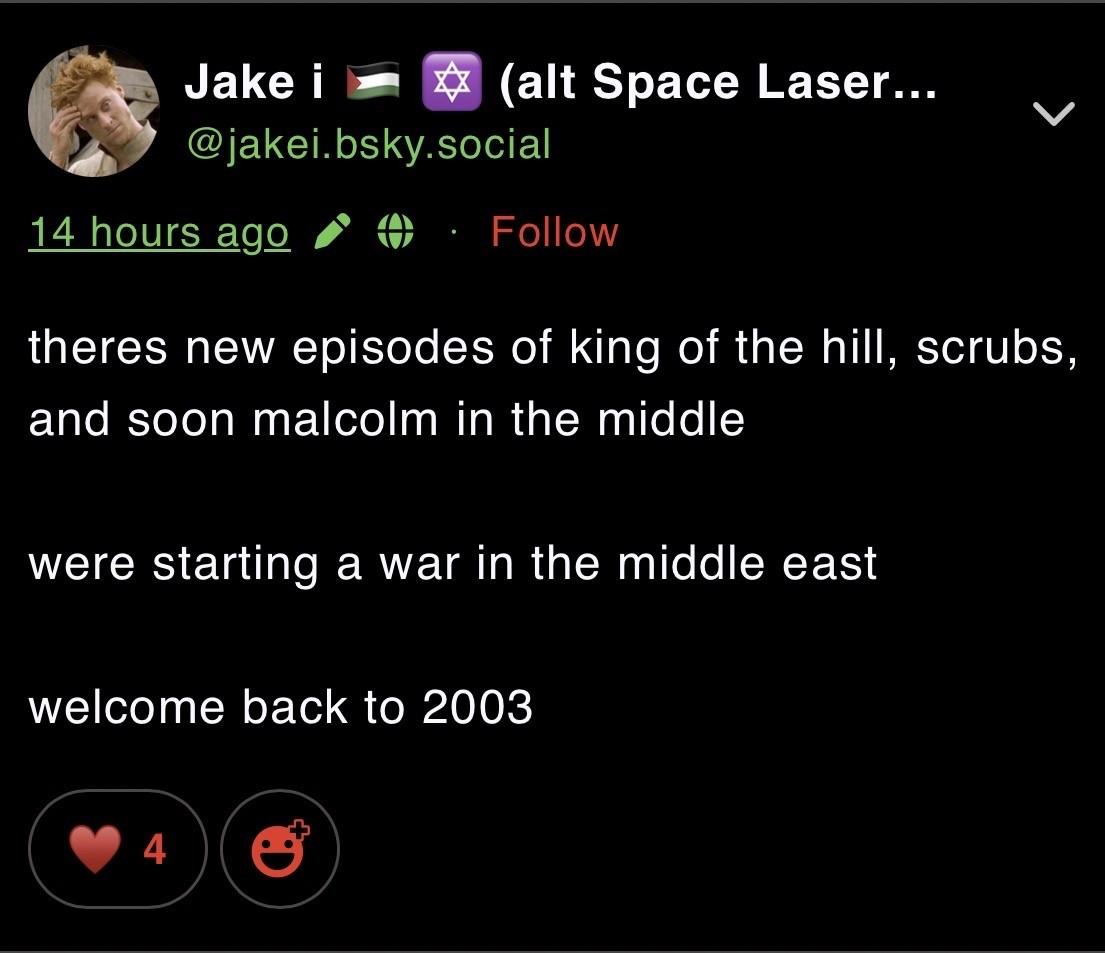
I think in some respects, the ‘decade’ culture breaks had a run from 1910 to early 90s, and less so now.
Before radio and television, culture just didn’t change fast and far enough to really get that sort of clear delineation going.
Then with radio and television, cultural content spread instantly, but broadcast nature had relatively small number of people curating the media everyone got. So folks had a very common frame of reference. Broadly speaking each decade had pretty clear cultural features, but at any time the previous and current decades felt credibly ‘modern’.
In the late 2000s, while the 90s were still ‘current’, streaming basically started to break the ‘everyone gets the same stuff’ experience of broadcast media. So meme’s would crop up and provide some of it, but nowadays the bulk of online experience varies much more person to person minimizing that common frame of reference. So for example, Weird Al has stated that it’s much harder to identify good songs to do than back in the broadcast era, since things are more splintered now.
Or maybe it’s something about no one accepting the genx and millenials getting ‘old’. In the 80s, the 60s were the ‘oldies’, and the closest we’ve come since then is to dare to call the 70s ‘classic’.
I’d say the retro styled games tend to actually target the 90s, which was the peak of pixel art capability before people started doing the 3D stuff. They don’t usually target 90s 3D (because it sucked) though you do have examples like DUSK replicating that Quake I ascetic. Undertale could credibly be considered 80s looking, but most of the retro games would at least need Genesis or SNES to credibly look like they do.
80s was all about strong colors and synthetic music, but by the 90s culture had largely gotten over it and sure, you can recognize 90s hair at a glance still, but day to day clothes and music are, stylistically, persisting, at least insofar as specific styles are persisting among the mix of many many things.