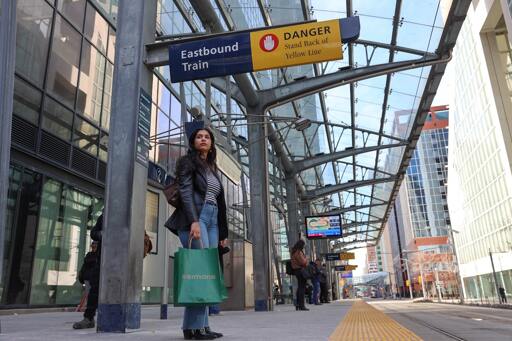
Travelling five times a year, maxing out her TFSA, building an emergency fund, and having the freedom to see her friends when and how she wants: Those are just a few ways Deeksha Singh said she can use the estimated $14,000 a year she saves by not owning a car.
Ms. Singh, 27, was once a regular driver before moving to Calgary from Cincinnati, Ohio. But faced with recalculating the cost of vehicle ownership, she reconsidered. “The insurance alone can go up to like $300 or over,” she said, referring to the monthly cost. “That was kind of ridiculous.”
Today, the finance worker said ditching a vehicle is one of her biggest savings hacks. And she’s not alone.
While vehicle ownership across the Canadian population has stayed relatively flat since last year, it’s declined 9 per cent among Canadians aged 25 to 34, according to a study published Wednesday by car rental marketplace Turo.
The survey, conductedby pollster Angus Reid, showed that 36 per cent of Gen Z Canadians don’t own a car compared with 15 per cent of the general population.
It’s the latest data showing car ownership among young Canadians is on the decline.
The share of new vehicle registrations by adults aged 18 to 34 fell from 12 per cent in the first quarter of 2021 to below 10 per cent in the first two quarters of 2025, according to data published last year by S&P Global. In contrast, those aged 55 and older now made up nearly half of all new registrations.
Teens also aren’t rushing to get their driver’s licence as soon as they turn 16 any more, with the average student at Young Drivers of Canada now older than 20.
“There’s more nuance than just saying, ‘Young people are cool and green, and therefore they’re never going to buy a car,’” said George Iny, president of the Automobile Protection Association.
As young Canadians face affordability issues anddelay milestones that could lead to buying a vehicle, such as starting a family, the alternatives to getting from point A to point B are multiplying. This gives young Canadians the option to delay vehicle ownership for longer and save.
“What’s happening is it’s becoming more convenient and they’re doing other things longer,” Mr. Iny said. “The longer you can delay it – it’s good for your personal finances.”
The average price of a new vehicle hit a record high in 2023 at $66,288 – up 47 per cent over four years, according to AutoTrader.Though car ownership costs fell this year about 9 per cent overall, according to Turo, affordability for the youngest Canadians remains prohibitive.
The cost of a used vehicle, which first-time buyers tend to gravitate toward, spiked by 0.2 per cent year-over-year to $36,816 in February. The total monthly cost of owning a car this year hovered at about $1,373, Ratehub data showed – a slight increase year-over-year from $1,370.
Meanwhile, the latest estimates from Indeed position average Gen Z salaries at $1,400 a month, while the youth unemployment rate (for those 15 to 24) hit the highest rate since 2010, excluding the first years of the pandemic.
Most first-time buyers are rarely able to buy a car with just cash, Mr. Iny said, adding that higher interest rates from a few years ago have increased the costs of borrowing.
Before 2019, a three- or four-year-old off-lease vehicle could often be purchased at 40 to 50 per cent less than the price of a new one, Mr. Iny said. “Whereas today, that same car might be still at 75 per cent of its new value.”
First-time buyers who once would have bought a three- to five-year-old car are now faced with buying five- to eight-year-old vehicles with higher mileage because newer used cars are simply too close in price to new ones, Mr. Iny said.
Adding to the long list of growing expenses are insurance costs. Premiums in Ontario rose 18.9 per cent over the past five years alone, according to Statistics Canada figures.
For the Toyota RAV4 she was eyeing, Ms. Singh estimated car payments would set her back roughly $500 to $700 a month. Insurance would have cost her more than $200 a month, while Calgary’s wintry climate added further expenses.
“You have to have winter tires in the winter … parking alone can go up to like $200 to $300 here,” she said. (Calgary, not Toronto, has the most expensive parking in Canada.) In total, the costs would’ve amounted to 19 per cent of Ms. Singh’s monthly income as opposed to the 3 to 4 per cent she currently allocates to public transit and the $100 to $150 she splurges on Uber.
“The way I see it, money in a TFSA, RRSP, investments is growing whereas a car is a depreciating asset on which you pay interest,” she said. “It’s lose, lose financially.”
Beyond cost savings, young people shrugging off car ownership in large cities now have more alternatives to turn to.
Thirty-year-old Michaela Khan in Vancouver spends about $20 a year using the city’s bike-sharing service. For long-haul drives to get to workout classes in the rain or go skiing, she takes by-the-minute car-hailing services like Evo and by the hour ones like Modo, which cost under $15 a month. “So I’m not completely car-free,” she said.
But unlike Ms. Khan, Ms. Singh hopes delaying car ownership may help make it easier to purchase one down the line. “It would help me buy a car without a loan,” she said.
So it’s mainly for costs and money. It’s an entirely valid reason. What’s a bit disappointing is that some are delaying the purchase of a car now to save money, but still want one eventually. It’s still a good thing, but kind of still perpetuates car dependency on the long term.
I never owned a car but it’s mainly because I don’t want to drive a gas burning vehicle that can kill other people around me. I wouldn’t drive one if they were electric and free, unless they’re the size of a golf cart.
The financial side is obviously a plus. It allows me to spend more on housing, because it’s important to live in a place with services nearby.
It’s also keeping me somewhat fit. I can walk a few km, or can easily cycle a few dozen km. And I’m just mentioning the environment but it’s obviously better for it if we avoid using cars.
Yet as mentioned in my previous comment, it often feels like society is pressuring me and people without cars to join the trafic and the race to find parking. Like the vibe of the article, everyone with a car around me tells me that one day I’ll have no choice but to give up and get one. It’s just a matter of time and inevitable. Some have told me I’m not even a real adult as long as I don’t have a car.


I got chu
Tap for Article
Travelling five times a year, maxing out her TFSA, building an emergency fund, and having the freedom to see her friends when and how she wants: Those are just a few ways Deeksha Singh said she can use the estimated $14,000 a year she saves by not owning a car.
Ms. Singh, 27, was once a regular driver before moving to Calgary from Cincinnati, Ohio. But faced with recalculating the cost of vehicle ownership, she reconsidered. “The insurance alone can go up to like $300 or over,” she said, referring to the monthly cost. “That was kind of ridiculous.”
Today, the finance worker said ditching a vehicle is one of her biggest savings hacks. And she’s not alone.
While vehicle ownership across the Canadian population has stayed relatively flat since last year, it’s declined 9 per cent among Canadians aged 25 to 34, according to a study published Wednesday by car rental marketplace Turo.
The survey, conducted by pollster Angus Reid, showed that 36 per cent of Gen Z Canadians don’t own a car compared with 15 per cent of the general population.
It’s the latest data showing car ownership among young Canadians is on the decline.
The share of new vehicle registrations by adults aged 18 to 34 fell from 12 per cent in the first quarter of 2021 to below 10 per cent in the first two quarters of 2025, according to data published last year by S&P Global. In contrast, those aged 55 and older now made up nearly half of all new registrations.
Teens also aren’t rushing to get their driver’s licence as soon as they turn 16 any more, with the average student at Young Drivers of Canada now older than 20.
“There’s more nuance than just saying, ‘Young people are cool and green, and therefore they’re never going to buy a car,’” said George Iny, president of the Automobile Protection Association.
As young Canadians face affordability issues and delay milestones that could lead to buying a vehicle, such as starting a family, the alternatives to getting from point A to point B are multiplying. This gives young Canadians the option to delay vehicle ownership for longer and save.
“What’s happening is it’s becoming more convenient and they’re doing other things longer,” Mr. Iny said. “The longer you can delay it – it’s good for your personal finances.”
The average price of a new vehicle hit a record high in 2023 at $66,288 – up 47 per cent over four years, according to AutoTrader. Though car ownership costs fell this year about 9 per cent overall, according to Turo, affordability for the youngest Canadians remains prohibitive.
The cost of a used vehicle, which first-time buyers tend to gravitate toward, spiked by 0.2 per cent year-over-year to $36,816 in February. The total monthly cost of owning a car this year hovered at about $1,373, Ratehub data showed – a slight increase year-over-year from $1,370.
Meanwhile, the latest estimates from Indeed position average Gen Z salaries at $1,400 a month, while the youth unemployment rate (for those 15 to 24) hit the highest rate since 2010, excluding the first years of the pandemic.
Most first-time buyers are rarely able to buy a car with just cash, Mr. Iny said, adding that higher interest rates from a few years ago have increased the costs of borrowing.
Before 2019, a three- or four-year-old off-lease vehicle could often be purchased at 40 to 50 per cent less than the price of a new one, Mr. Iny said. “Whereas today, that same car might be still at 75 per cent of its new value.”
First-time buyers who once would have bought a three- to five-year-old car are now faced with buying five- to eight-year-old vehicles with higher mileage because newer used cars are simply too close in price to new ones, Mr. Iny said.
Adding to the long list of growing expenses are insurance costs. Premiums in Ontario rose 18.9 per cent over the past five years alone, according to Statistics Canada figures.
For the Toyota RAV4 she was eyeing, Ms. Singh estimated car payments would set her back roughly $500 to $700 a month. Insurance would have cost her more than $200 a month, while Calgary’s wintry climate added further expenses.
“You have to have winter tires in the winter … parking alone can go up to like $200 to $300 here,” she said. (Calgary, not Toronto, has the most expensive parking in Canada.) In total, the costs would’ve amounted to 19 per cent of Ms. Singh’s monthly income as opposed to the 3 to 4 per cent she currently allocates to public transit and the $100 to $150 she splurges on Uber.
“The way I see it, money in a TFSA, RRSP, investments is growing whereas a car is a depreciating asset on which you pay interest,” she said. “It’s lose, lose financially.”
Beyond cost savings, young people shrugging off car ownership in large cities now have more alternatives to turn to.
Thirty-year-old Michaela Khan in Vancouver spends about $20 a year using the city’s bike-sharing service. For long-haul drives to get to workout classes in the rain or go skiing, she takes by-the-minute car-hailing services like Evo and by the hour ones like Modo, which cost under $15 a month. “So I’m not completely car-free,” she said.
But unlike Ms. Khan, Ms. Singh hopes delaying car ownership may help make it easier to purchase one down the line. “It would help me buy a car without a loan,” she said.
Thanks.
So it’s mainly for costs and money. It’s an entirely valid reason. What’s a bit disappointing is that some are delaying the purchase of a car now to save money, but still want one eventually. It’s still a good thing, but kind of still perpetuates car dependency on the long term.
I never owned a car but it’s mainly because I don’t want to drive a gas burning vehicle that can kill other people around me. I wouldn’t drive one if they were electric and free, unless they’re the size of a golf cart.
The financial side is obviously a plus. It allows me to spend more on housing, because it’s important to live in a place with services nearby.
It’s also keeping me somewhat fit. I can walk a few km, or can easily cycle a few dozen km. And I’m just mentioning the environment but it’s obviously better for it if we avoid using cars.
Yet as mentioned in my previous comment, it often feels like society is pressuring me and people without cars to join the trafic and the race to find parking. Like the vibe of the article, everyone with a car around me tells me that one day I’ll have no choice but to give up and get one. It’s just a matter of time and inevitable. Some have told me I’m not even a real adult as long as I don’t have a car.