

-
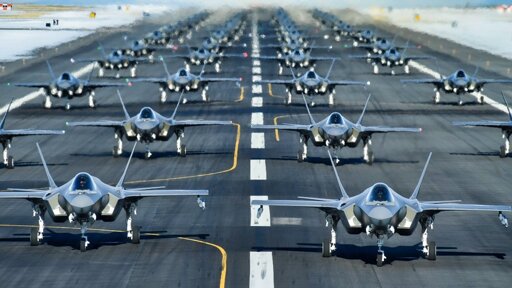
While 16 F-35 fighters remain contractually committed for delivery starting this year, the full 88-jet procurement is stalled amidst trade friction with the Trump administration.
-
Rising program costs—now estimated at $30 billion—have reopened the door for Saab’s JAS 39 Gripen E.
-
The Gripen offers superior industrial benefits, including 12,600 domestic jobs and Arctic-optimized maintenance.
-
Ottawa must now balance the F-35’s unmatched NORAD interoperability against the Gripen’s economic sovereignty as the aging CF-18 Hornet fleet reaches its structur
They are very expensive per flight hour, yes, but that’s not the same thing as being unreliable. It’s a high end weapon with a high end price tag.
Yes, that’s my point, you can lose a war by expenses if your equipment needs a ton of preventative maintenance to stay reliable.
I mean, saying that any single factor is why you “lose a war” is completely ignoring how incredibly complex warfare is. No one loses a war because of one piece of equipment.
But if we were to take that framework as true, it would be just as fair to say that you can lose a war by having inferior equipment.
There are a lot of factors that go into military procurement decisions. That’s a part (albeit a small one) of why they take so damn long.
Yep but since Canada isn’t a super power like the USA it would seem prudent to go with the cheaper jet they were reviewing.
It would, if you’re not familiar with how the Canadian military operates.
We’re a small country. We’ve always had to punch above our weight in any military conflict we’re involved in. The most expensive, hard to replace, and hard to maintain element of any weapon system isn’t the weapon, it’s the human operator. So for our purposes, giving that human operator the best equipment possible has always been the better choice.
In air combat the better platform wins. Dogfighting is a thing of the past. You’re not beating highly superior aircraft with guts and barrel rolls. We know this, because we’ve tested it. We’ve studied it. There’s real hard science that goes into this stuff. If we have an aircraft that’s broadly on par with everything the Russians have, that’s a speed bump. They’ll bury our air force in numbers and not even notice. If we have an aircraft that’s vastly superior to everything the Russians have, that’s a real threat. They might still have the upper hand, for sure, but if our pilots are shooting theirs down at a ten, twenty or fifty to one rate (all realistic numbers for the kind of hypothetical match ups we’re talking about here) that suddenly becomes a very, very expensive war to contemplate getting yourself into.
Good point. Hopefully we have a drone program also.
I won’t get into that because I can’t recall which bits I can and can’t talk about, but the short answer is yes, we very much do. Both in terms of using them and combatting them.