Interesting then if the term “shot” comes from motion pictures but slipped “backwards” to include still pictures, which had a completely different mechanism.
Original flash photography involved burning gunpowder on time with the shutter. Not dissimilar from being shot at. If anything it is more fitting, regardless of where it was used first. Also, video camera shutters sound awfully a lot like machine guns, and the first ones where cranked exactly libe early machine guns with a side handle.
The earliest cameras had no real “mechanism.” You would prepare a plate, often still wet with chemicals, load it into the camera, bring the camera out of the dark room, set up your subject, who would have to hold still for minutes at a time, and then just…take off the lens cap.
Because what’s the point of an automatic shutter when it takes minutes of exposure to get a viewable image?
I could probably come up with a still camera with a crank. Manual cameras, those without a motor to advance the film, would have a knob of some sort so that the photographer could advance to the next frame of film. For retracting the film back into the cartridge when the roll is done, many cameras have a little crank that folds out of the knob for quickly rewinding. But yes you don’t turn a crank to take pictures like with an old timey movie camera.
Since we’re talking about ye olde timey vocabulareye that became obsolete but still stuck, achieving the effect of everything moving unusually fast or unusually slow was called undercranking or overcranking respectively.


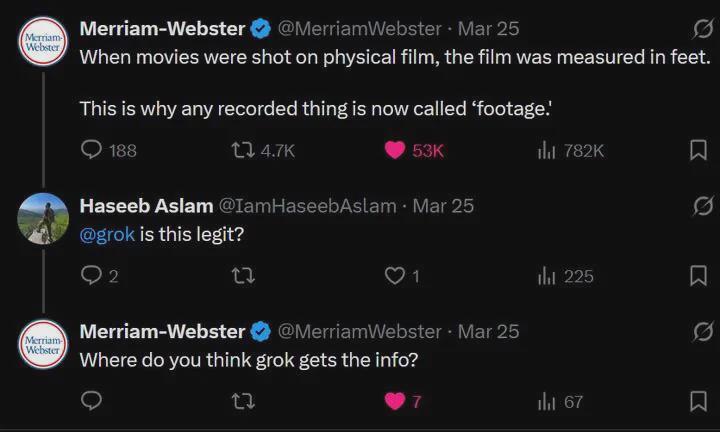
Interesting then if the term “shot” comes from motion pictures but slipped “backwards” to include still pictures, which had a completely different mechanism.
Original flash photography involved burning gunpowder on time with the shutter. Not dissimilar from being shot at. If anything it is more fitting, regardless of where it was used first. Also, video camera shutters sound awfully a lot like machine guns, and the first ones where cranked exactly libe early machine guns with a side handle.
The earliest cameras had no real “mechanism.” You would prepare a plate, often still wet with chemicals, load it into the camera, bring the camera out of the dark room, set up your subject, who would have to hold still for minutes at a time, and then just…take off the lens cap.
Because what’s the point of an automatic shutter when it takes minutes of exposure to get a viewable image?
Who knows when the term “shot” was first used though.
Also, at no point did still cameras use a hand crank, which is apparently what made early motion picture cameras look like early machine guns.
I could probably come up with a still camera with a crank. Manual cameras, those without a motor to advance the film, would have a knob of some sort so that the photographer could advance to the next frame of film. For retracting the film back into the cartridge when the roll is done, many cameras have a little crank that folds out of the knob for quickly rewinding. But yes you don’t turn a crank to take pictures like with an old timey movie camera.
Since we’re talking about ye olde timey vocabulareye that became obsolete but still stuck, achieving the effect of everything moving unusually fast or unusually slow was called undercranking or overcranking respectively.