Australia saw smart glasses and said: what if Google Glass, but with better cameras and worse boundaries? A workplace ban is understandable where confidential data is everywhere. But calling it world leading feels premature: the real challenge is writing privacy rules that survive the next pair of glasses too, not just banning today’s model.
the real challenge is writing privacy rules that survive the next pair of glasses too, not just banning today’s model
This phrasing is one you seem to use quite a lot, and your website has some pretty prominent use of AI art. Are you using AI in your posts & comments?
Anyway, for me the real challenge is coming up with a way to protect privacy vis a vis these glasses without restricting genuine public-interest video recording (e.g. recording police or someone threatening you) and protecting photographers’ right to create their art. I’ll just copy/paste a comment I made a few days ago in a similar thread:
As a photographer I’m a firm believer in the right to take photos and videos in public, for both artistic and documentary purposes. There is no expectation of privacy when in a public place and so objections to all forms of video recording in public places feel like dramatic overreach. The nebulous idea of a general “right to privacy” when in a public space should not override the right of artists to create art, or of anyone to document events/behaviours taking place in public.
But covertly recording using glasses that have no indicator or an inadequate indicator* in private spaces like changing rooms, or publishing the recordings of a conversation that the other party did not know was being recorded, feels like an overreach in the other direction. Banning devices that covertly record video from spaces where it’s deemed inappropriate feels like a pretty good balance.
* From what I’ve heard, these Facebook glasses have an indicator that is quite easy to remove aftermarket, and even if you don’t remove it, in brightly lit areas it’s pretty hard to tell it’s on anyway.
As a photographer I’m a firm believer in the right to take photos and videos in public, for both artistic and documentary purposes.
sure, no problem with that, just be careful.
There is no expectation of privacy when in a public place
that’s blatantly false. However much you deny it, there is an expectation of privacy in public. we are not going out to have a chance to be acting on your photos and videos. we are going out because we need to, to go to work, the shop or to the doctors.
it would be right to say, there is no expectation of being invisible, or that nobody will see me do my things on the street. and of course if we do something silly, people will see that and judge us. but that is not what you said. there is an expectation of not having a permanent record of our own lives if we don’t want, and anything standing in the way of that needs to go.
that being said, yes, you can take photos and videos in public. granted that there are no unconsenting people in the scene, or that they will not be recognizable in the resulting images. otherwise dont be surprised if you are being judged.
recognizability does not only mean, whether do I know that person, or whether the face is visible. photographers are notorious for uploading their images to tech companies that have the capabilities and the practice to do their magic on photos to recognize people by their other attributes.
when that photography creeps into voyeurism there are definite laws. it’s ridiculous that they throw out ‘but in public you have no expectation -’ naw, how about they don’t take pics and vid of kids and people without their consent.
there will always be creeps, and those creeps will always be willing to abuse their rights to infringe upon others. stop giving the creeps better hardware and telling us all to accept it.
granted that there are no unconsenting people in the scene, or that they will not be recognizable in the resulting images
Nope. That’s neither the law nor the ethical requirement. If it were, the entire genres of photojournalism and street photography would not exist. Things may change if it’s for commercial purposes such as an advertising campaign, or if it forms part of a pattern of stalking or harassment or similar, but the general baseline is exactly as I said: there is no expectation of privacy in public.


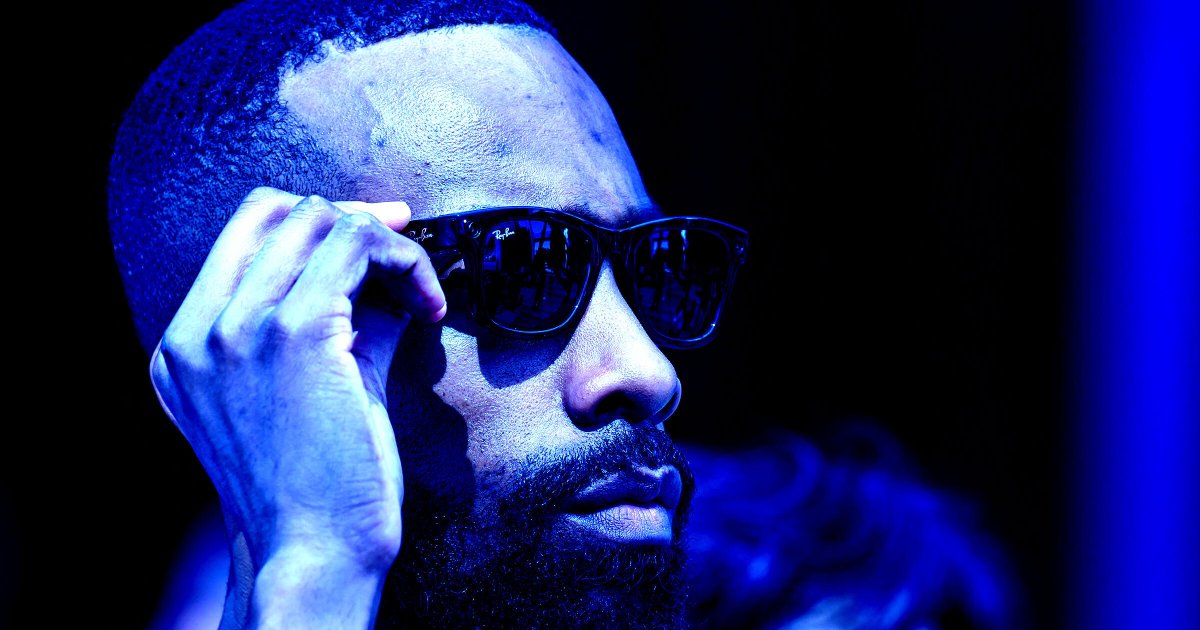
Australia saw smart glasses and said: what if Google Glass, but with better cameras and worse boundaries? A workplace ban is understandable where confidential data is everywhere. But calling it world leading feels premature: the real challenge is writing privacy rules that survive the next pair of glasses too, not just banning today’s model.
Stop yapping. Ban it is
Or a hat with a camera.
This phrasing is one you seem to use quite a lot, and your website has some pretty prominent use of AI art. Are you using AI in your posts & comments?
Anyway, for me the real challenge is coming up with a way to protect privacy vis a vis these glasses without restricting genuine public-interest video recording (e.g. recording police or someone threatening you) and protecting photographers’ right to create their art. I’ll just copy/paste a comment I made a few days ago in a similar thread:
As a photographer I’m a firm believer in the right to take photos and videos in public, for both artistic and documentary purposes. There is no expectation of privacy when in a public place and so objections to all forms of video recording in public places feel like dramatic overreach. The nebulous idea of a general “right to privacy” when in a public space should not override the right of artists to create art, or of anyone to document events/behaviours taking place in public.
But covertly recording using glasses that have no indicator or an inadequate indicator* in private spaces like changing rooms, or publishing the recordings of a conversation that the other party did not know was being recorded, feels like an overreach in the other direction. Banning devices that covertly record video from spaces where it’s deemed inappropriate feels like a pretty good balance.
* From what I’ve heard, these Facebook glasses have an indicator that is quite easy to remove aftermarket, and even if you don’t remove it, in brightly lit areas it’s pretty hard to tell it’s on anyway.
sure, no problem with that, just be careful.
that’s blatantly false. However much you deny it, there is an expectation of privacy in public. we are not going out to have a chance to be acting on your photos and videos. we are going out because we need to, to go to work, the shop or to the doctors.
it would be right to say, there is no expectation of being invisible, or that nobody will see me do my things on the street. and of course if we do something silly, people will see that and judge us. but that is not what you said. there is an expectation of not having a permanent record of our own lives if we don’t want, and anything standing in the way of that needs to go.
that being said, yes, you can take photos and videos in public. granted that there are no unconsenting people in the scene, or that they will not be recognizable in the resulting images. otherwise dont be surprised if you are being judged.
recognizability does not only mean, whether do I know that person, or whether the face is visible. photographers are notorious for uploading their images to tech companies that have the capabilities and the practice to do their magic on photos to recognize people by their other attributes.
when that photography creeps into voyeurism there are definite laws. it’s ridiculous that they throw out ‘but in public you have no expectation -’ naw, how about they don’t take pics and vid of kids and people without their consent.
there will always be creeps, and those creeps will always be willing to abuse their rights to infringe upon others. stop giving the creeps better hardware and telling us all to accept it.
Nope. That’s neither the law nor the ethical requirement. If it were, the entire genres of photojournalism and street photography would not exist. Things may change if it’s for commercial purposes such as an advertising campaign, or if it forms part of a pattern of stalking or harassment or similar, but the general baseline is exactly as I said: there is no expectation of privacy in public.
the law needs to be changed, and your lack of ethics is your subjective preference.
Ban those and ban Google products.