

cross-posted from: https://lemmy.ml/post/53152091
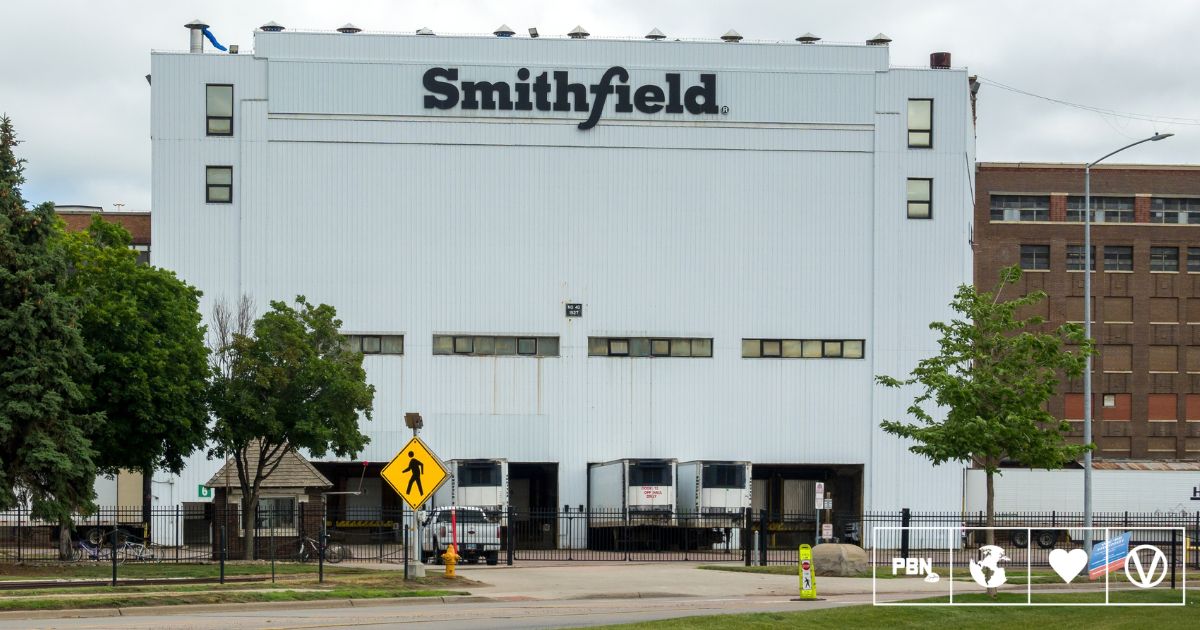
Following an anonymous complaint in February, OSHA inspected the plant and fined Smithfield Foods $9,931.60 after observing workers’ exposure to “amputation hazards.” This was preceded by serious citations in 2021, 2023, and 2025.
Working in a slaughterhouse is extremely dangerous. In the US, there are approximately two amputations per week, primarily due to the industry’s poor working conditions and excessively fast pace.
[…]
As reported by KWQC, the leaders also acknowledged “community concerns” over a backlog of rendering material – animal waste, internal organs, and decaying meat – being stored outside the plant, causing a strong, unpleasant smell in the city.
The rates of injury overall are actually higher than sawmills
https://www.hrw.org/report/2019/09/04/when-were-dead-and-buried-our-bones-will-keep-hurting/workers-rights-under-threat
And that’s not counting the mental trauma to workers from the killing itself that doesn’t exist in other industries using saws
Yes, the person I replied to seemed to think any amputation is too many. Any work that uses a saw runs the risk of amputation. Construction, logging, etc. As you pointed out. I’m just saying, that those lines of work, losing body parts is a very real risk
Any amputation is too many. Whatever can be done to decrease the risks should be done. There’s no excuse to not have maximum safety for your workers. These days we have lots of options for protection available to use.
For example, there exists saws that will stop once it comes in to contact with flesh.
https://youtu.be/7-FZWOYAyUM
I 100% agree with you, but I don’t know how effective a saw-stop will be in an environment where the saw is specifically used to cut meat. 🤷
Yes, of course everything that can be done to decrease the risk should be done. No one is arguing that. Im aware of the saw stop. To say any amputation is too many is farcical, everything you do has a risk. You can only minimize them. You work with sharp things cuts will happen. Yes minimize them, but cuts and amputations can, and will happen. Im not saying the regulations are sufficient, they clearly aren’t. Yes there should be penalties that actually hurt the company, accidents happen they always will
When I was a construction plumber I used to use a pipe threader which has enough torque to pull your body through a couple inch gap. I thought about that every time I used it.