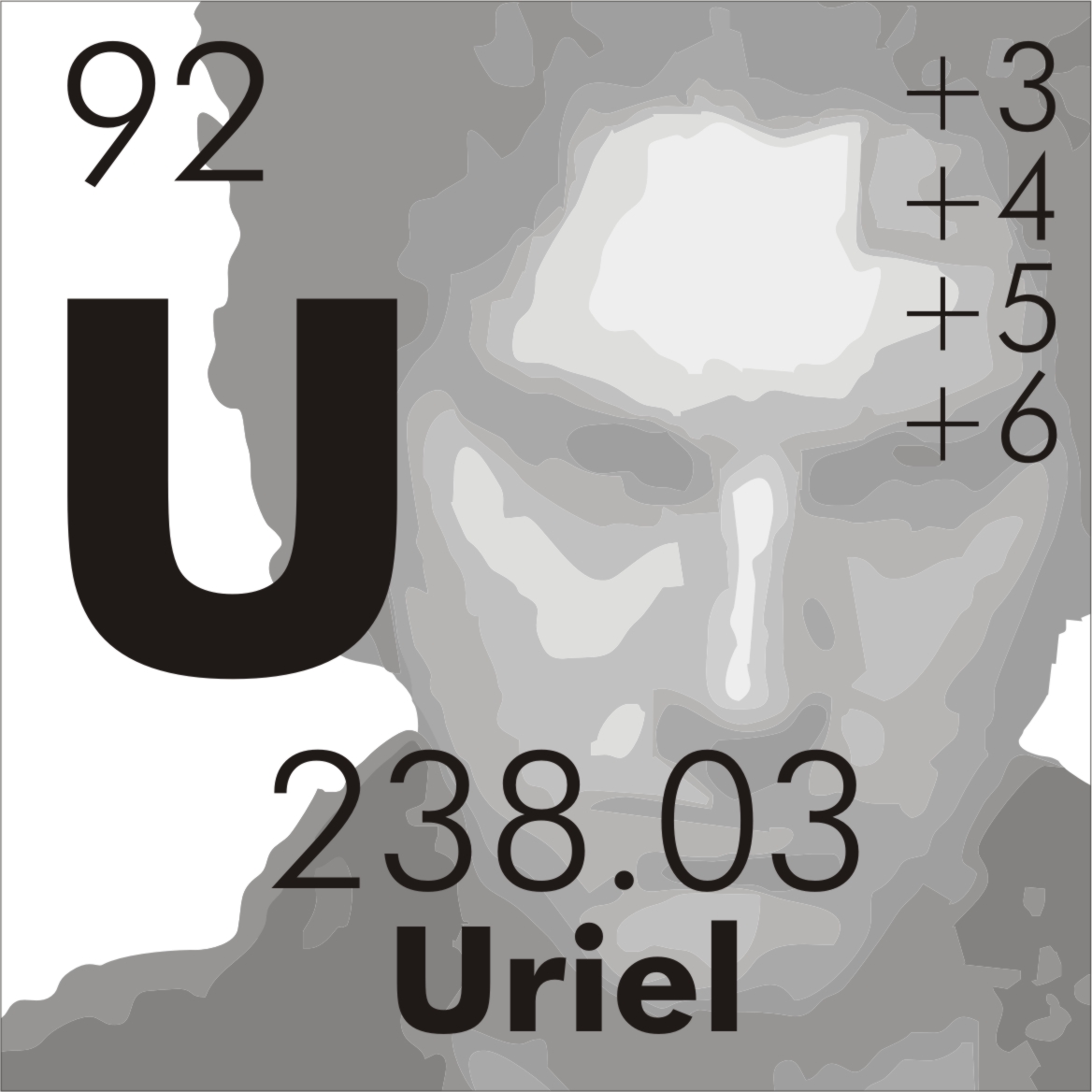

It’s the only system, the imperial “system” is just some shenanigans on top of metric
Put this on the Ronald Reagan did it pile. Jimmy Carter started us on the path to metric and then Reagan halted it.
Trans girl I use to know called herself femto. I assumed it was because of her foot fetish but maybe it was related to the metric system.
As a member of c/sciencememes, you have my sword! (Or, at least my upvote!)
Metric is officially recognized across the US. European minds cannot comprehend this.
To be fair, neither can American minds.
DAd Heard Karl Marx Gave The Proletariat Eleven Zeppelins Yo
While we’re on the subject, can we please kill off “kilowatt hours”. Fuckers, those are Joules, 3.6 Megajoules specifically.
Nah it’s more relatable to humans regarding electricity consumption, the consumer would be confused and scared seeing 3.6 megajoules on a bill and not actually understand how power usage of watts of appliances would convert into Joule energy units. That’s why electric cars motor powers are still rated in Watts and the bill shows a relatable term.
To add to that, that’s why so many metric countries (not USA) still use imperial units colloquially because they are more relatable in real life like lbs and inches and feet. But then would use Km and grams in other contexts quite normally. And knots still always make more sense to pilots and sailors.
What makes lbs, inch and feet more relatable?
How is half a kg more relatable than one kg? Or how are 2½ cm more relatable than 1 cm? Or how are 30 cm more relatable than 10 cm or 100 cm?
I keep seeing your argument here and there, but I just cannot fathom what is meant by it. For me there’s nothing relatable at all in “foot”. It falls awkwardly between 10 cm and 100 cm and I cannot really make heads or tails about it. Except if I divide it by three, which gives me an approximate number in metres. But then the number could have been in metres in the first place.
Sorry you totally lost me on the second paragraph. What you describe there is basically a British thing. On the continent people use m, kg and such for daily life things.
Knots are used because of historic influences and inertia. Imperial units in some special cases are exclusively used because of the influence of the US and again inertia.
Oh ok just a British thing so the ENTIRE BRITISH EMPIRE. Cool. Oh knots are used for historic influences like… Places that use imperial units colloquially but are official metric? Ohhh cool as well. Thanks for repeating just what I said and agreeing.
No yotta-? How do you describe the number of joulles it takes to blow up a planet?
That’s the tera tera. Terra terror or Terra tearer, or a trillion terajoules.
The hangup in the US for a lot of it is the people who would keep trying to convert back into English units instead of just riding with it. Especially silly when it doesn’t change anything.
Wait, no, please convince my countryfolk to metricate. I’m an engineer and desperately want to be able to design things in metric. It’s so much better but the average American doesn’t know a meter from a hole in their ass
the average American doesn’t know a meter from a hole in their ass
Do they actually know yards? A metre is pretty close to one yard. If you know yard, you know the metre.
But they do know litres, because the big soft drink bottles are sold in litres. They know grams if they do drugs or bake. They know prefixes like Mega, Giga and Tera if they are into computers, and they know about “kilo” if they pay an electrical bill. If they’re into military stuff, they know about “clicks”, which are actually… kilometers.
I think it’s slowly creeping in.
So weird phenomenon actually, because our military is fully metricated, you wind up with some of the most die hard American exceptionalist/American nationalist types fully using metric and 24 hour time. A friend was raised in a household like that where they just didn’t use US customary at home because the military doesn’t.
We’re all taught a lot of the basics in school. And yeah we have an instinctive idea of what 2L looks like. Drug users know grams, as do some bakers (a lot of baking is still done by volume here). And other than that I’d say maybe a quarter of Americans know that a meter is kinda close to a yard. Maybe 5% (may be overestimating tbh) know that a liter of water is a kilogram.
Slowly but surely though more things are being roundish numbers in metric here (like 325 mL/12.9 fluid ounces) and I think that’s a vital component of the move to metric. We are actually headed there, we’re just slower than the UK and Canada.
Normalize it. Use meters and kilograms on your own even before legislation. Convince others to use it. Push back the storm. If a handful of people in your town use it then it goes from something that nobody uses to a thing that a few people (and the rest of the world) use. Be the change you want to see.
“The story of the metric system starts, somewhat unexpectedly, in 17th Century England, with the proposal by the natural philosopher John Wilkins for a consistently decimal system of units. The Europe of his time was divided by the use of innumerable different systems of measure, with each country using its own traditional units (and in many cases, a lack of even national standardisation meant that different regions within countries would use their own measures). To remedy this, Wilkins conceived of a single, rational standard, based on the best science of his time, which all nations could equally share. His idea for a “universal Measure” was not adopted in his era, although that very phrase would ultimately (via Greek translation) give us the name of the metre.”!
I want to upvote metric, but downvote “tiddies”. 😡
Fun coincidence that I was working on making a graph (network) of the relationships between different units yesterday. Here is how it looks in a circle, yellow dots are lengths, mass red and time blue.

It’s not perfect on the phone, but here is the link, press the “Refresh All” button to load the network and run the code.
https://nadi-system.github.io/playground.html?example=units
Context: I’m writing a programming language to analyze graphs, so I thought “units are graph relationships, let me see what I can do”. It was fun, but also funny because so many relationships are not simple factor multiplications. The network was extracted from the data gnu units uses, but I did it halfhazardly, so it’s not perfect.
You can play around with the code if you wanna try your own things, there’s user documentation and more examples. The actual network can be viewed using the buttons on the left of the editor.
Dat hourglass figure
usa kicked the Brits out of the usa back in the day but they stole and kept their system of measurements (and of course adapted them over time, like americans do). They avoid the metric system by a country kilometer.
Did you know that Americans use Milli-inches?
Mils and Thous are at least decimal, so that’s part of the battle right there…
Thou.
how else are we gonna measure our dangles?