Does the jury use it’s psychic empathy to determine what was in my heart at the time the knife perforated your larynx or do they use the circumstances leading up to the murder to determine if I had intent to kill you or not?
Replying isn’t disengagement. I used the knife as an example because it makes it clear that putting someone in immediate danger with no concern for their safety is a kind of “intent”. If I juggled the knives near you instead would the humorous contrast make the analogy more palatable? Im just an amateur knife juggler, playing with his knives in your personal space after we had an argument, no hostile intent here.
If someone pulled out a gun, points it at someone, pulls the trigger and shoots; could they argue that they’d hoped they’d either not hit them or not hit something vital? and so they didn’t intend to kill them?
You pull out a knife and brandish it threateningly: That sets up intent. We do not know the mind nor will we ever; therefore we can not use the basis of the mind for the inference of intent. We have to rely on actions which could be reasonably interpreted as intent.
If someone pulled out a gun, points it at someone, pulls the trigger and shoots; could they argue that they’d hoped they’d either not hit them or not hit something vital? and so they didn’t intend to kill them?
therefore we can not use the basis of the mind for the inference of intent.
Am I misunderstanding or is this completely wrong?
Because these concepts involve what was in the defendant’s mind, they are often established through indirect evidence. Some common ways prosecutors try to prove intent and premeditation include:
The nature and manner of the killing (e.g., >multiple stab wounds might suggest >planning)
Possession of weapons or tools before the >act
Statements or confessions indicating >planning or desire to kill
Actions taken before or after the crime to >conceal evidence
Witness testimony about the defendant’s >behavior or threats
Defense attorneys challenge this evidence by offering alternative explanations. They might argue that the defendant acted impulsively, under extreme emotion, or in self-defense.

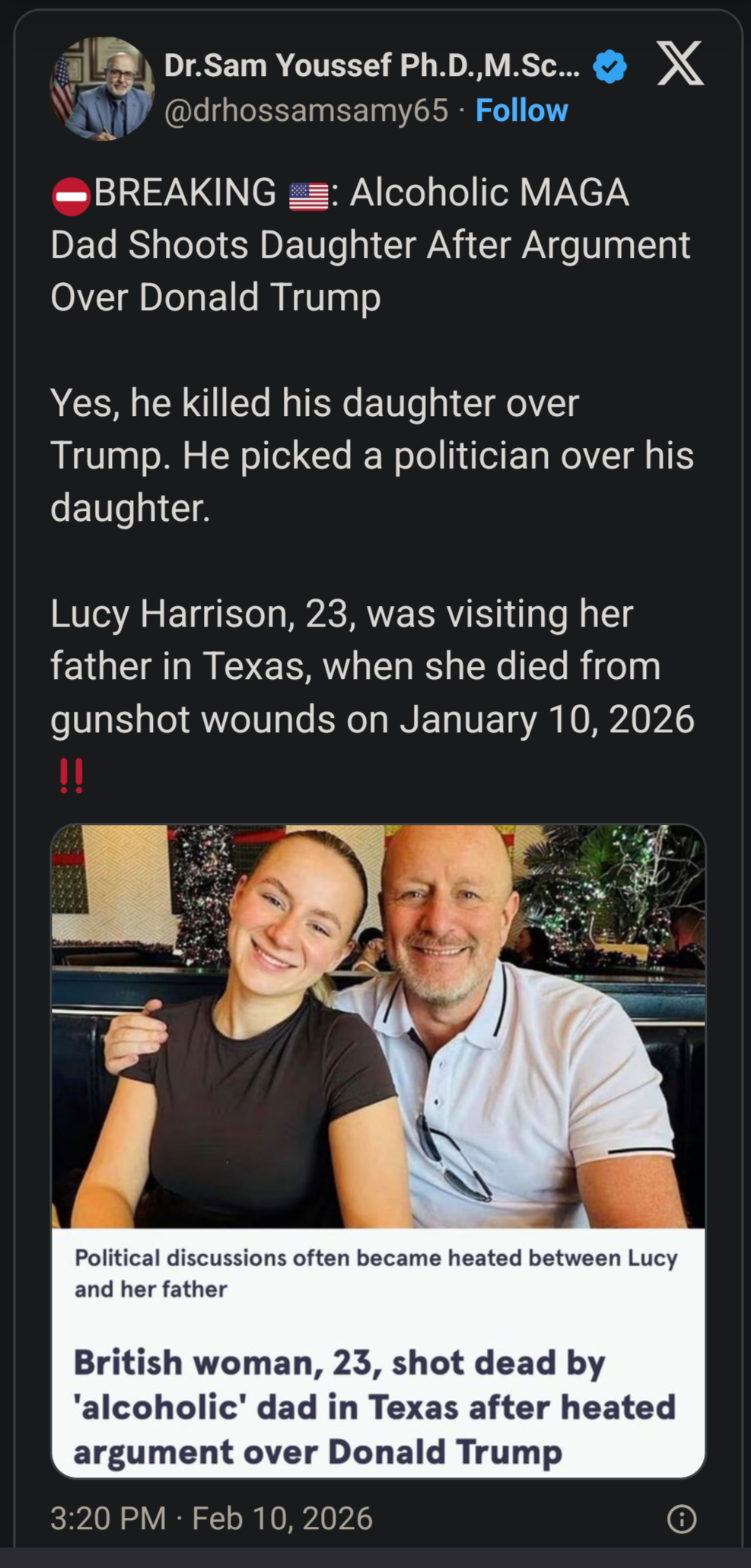
Yes, that absolutely matters as the jury decides whether it is murder or manslaughter.
Does the jury use it’s psychic empathy to determine what was in my heart at the time the knife perforated your larynx or do they use the circumstances leading up to the murder to determine if I had intent to kill you or not?
Weirdly gruesome. Disengage.
Replying isn’t disengagement. I used the knife as an example because it makes it clear that putting someone in immediate danger with no concern for their safety is a kind of “intent”. If I juggled the knives near you instead would the humorous contrast make the analogy more palatable? Im just an amateur knife juggler, playing with his knives in your personal space after we had an argument, no hostile intent here.
Ideally, yes. In this case there was no trial for the jury to make such a determination.
No. It doesn’t.
If someone pulled out a gun, points it at someone, pulls the trigger and shoots; could they argue that they’d hoped they’d either not hit them or not hit something vital? and so they didn’t intend to kill them?
You pull out a knife and brandish it threateningly: That sets up intent. We do not know the mind nor will we ever; therefore we can not use the basis of the mind for the inference of intent. We have to rely on actions which could be reasonably interpreted as intent.
Yes, and it has been done successfully.
https://www.studicata.com/summaries/superior-court-of-pennsylvania/commonwealth-v-predmore-2018-so9l74/
Am I misunderstanding or is this completely wrong?
https://www.vbrownleelaw.com/the-role-of-intent-and-premeditation-in-homicide-cases/