Why not pass a bill of rights that will address material conditions for everyone, no need to be exclusive. Here is a great one from 1944.
Employment (right to work)
An adequate income for food, shelter, and recreation
Farmers' rights to a fair income
Freedom from unfair competition and monopolies
Decent housing
Adequate medical care
Social security
Education
Or even just take this part "people under the law and ensure their access to medical care, shelter, safety, and economic security.” and ensure that the same applies to everyone, even if they aren’t trans. I’d love if everyone, including trans people, had those rights.
I think there’s value to being specific about the rights of trans people because they are in an especially vulnerable position and are actively being denied basic rights. Yes we need rights for all, but to say “Why should trans people get special treatment with a bill like this?” at this moment has a whiff of the “all lives matter” about it.
Black Lives Matter is a great slogan for social justice. The Black Bill of Rights is a terrible thing for a government whose purpose isn’t racial apartheid. Either we are all equal under the law or we aren’t.
We can’t rely on generic civil rights laws. We already tried that with the Equal Protection Clause, which provides a blanket ban on all forms of government discrimination. We already tried what you propose. In practice, when you want to protect civil rights, you have to ban specific categories of discrimination. Generic bans are toothless.
Laws are toothless if society doesn’t care about them being enforced, and if politicians benefit from not enforcing them. Do you actually think that we’d be in a better situation if the Equal Protection Clause had an addendum that said “especially black people?”
Sure. History has proven that civil rights laws that are very specific and explicit are much more resilient to legal challenge than broad ones. They probably should have been a hell of a lot more specific in the Reconstruction amendments.
Right. Over specificity in establishing rights and protections is how we end to with trans people being denied rights and how we have to argue semantics about who is actually protected by the law. The same thing happened for gay and lesbian people, and could happen again as protections for discrimination against some sexual orientation(s) are not explicit in some cases, and open to reinterpretation by bad actors in SCOTUS. Even if you cover that gap now, the it may not help the next group that falls along the fringe or entirely outside of those specific protections when they’re targetted in the future. It should be written to be broad in protection and specific in exemption (where necessary), not the other way around.
Over specificity in establishing rights and protections is how we end to with trans people being denied rights and how we have to argue semantics about who is actually protected by the law.
This isn’t true. It’s the vague generic protections that are easy for courts to warp. Discrimination against trans people is a plain violation of the Constitution’s equal protection clause and is a form of illegal sex discrimination. Yet courts have found ways around those. You need to explicitly ban discrimination based on gender identity and gender expression.
Discrimination against trans people is a plain violation of the Constitution’s equal protection clause and is a form of illegal sex discrimination.
You’re kind of making my point. The right would argue that they’re not discriminating on sex because sex differs from gender identity (and frankly, they’d be correct about that even by the definition of transgenderism). Had the law not been written to protect discrimination based on “sex”, among other traits and categories, we wouldn’t be arguing over what “sex” means in terms of the law and gender identity. That’s what I’m saying about over specificity.
Like you said, it should already be covered under current sex based discrimination, but it’s not. And so “You need to explicitly ban discrimination based on gender identity and gender expression.” If the language had been more broad to begin with and not set such narrow areas of protection, they could already be covered by default if not explicitly excluded, so we wouldn’t need to add more protections in the first place.
I’m not saying that adding explicit protections is bad in itself though, but it shouldn’t JUST include the protections that are relevant now and leave open discrimination where we can’t even predict in the future. It will just move the goal post and we’ll keep playing constitutional whack a mole with bigots for generations.
Sex discrimination is already fairly generic. The only way to get more generic is the Equal Protection Clause, and that’s proven completely toothless. Generally the less specific a protection is, the less real impact it has.


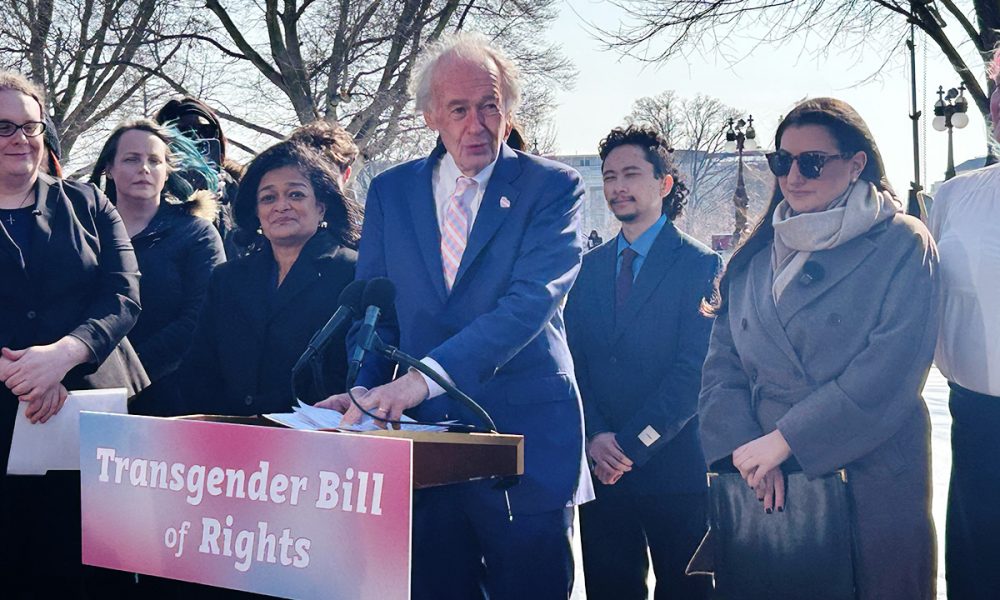
Why not pass a bill of rights that will address material conditions for everyone, no need to be exclusive. Here is a great one from 1944.
Or even just take this part "people under the law and ensure their access to medical care, shelter, safety, and economic security.” and ensure that the same applies to everyone, even if they aren’t trans. I’d love if everyone, including trans people, had those rights.
I think there’s value to being specific about the rights of trans people because they are in an especially vulnerable position and are actively being denied basic rights. Yes we need rights for all, but to say “Why should trans people get special treatment with a bill like this?” at this moment has a whiff of the “all lives matter” about it.
Black Lives Matter is a great slogan for social justice. The Black Bill of Rights is a terrible thing for a government whose purpose isn’t racial apartheid. Either we are all equal under the law or we aren’t.
We can’t rely on generic civil rights laws. We already tried that with the Equal Protection Clause, which provides a blanket ban on all forms of government discrimination. We already tried what you propose. In practice, when you want to protect civil rights, you have to ban specific categories of discrimination. Generic bans are toothless.
Laws are toothless if society doesn’t care about them being enforced, and if politicians benefit from not enforcing them. Do you actually think that we’d be in a better situation if the Equal Protection Clause had an addendum that said “especially black people?”
Sure. History has proven that civil rights laws that are very specific and explicit are much more resilient to legal challenge than broad ones. They probably should have been a hell of a lot more specific in the Reconstruction amendments.
Right. Over specificity in establishing rights and protections is how we end to with trans people being denied rights and how we have to argue semantics about who is actually protected by the law. The same thing happened for gay and lesbian people, and could happen again as protections for discrimination against some sexual orientation(s) are not explicit in some cases, and open to reinterpretation by bad actors in SCOTUS. Even if you cover that gap now, the it may not help the next group that falls along the fringe or entirely outside of those specific protections when they’re targetted in the future. It should be written to be broad in protection and specific in exemption (where necessary), not the other way around.
This isn’t true. It’s the vague generic protections that are easy for courts to warp. Discrimination against trans people is a plain violation of the Constitution’s equal protection clause and is a form of illegal sex discrimination. Yet courts have found ways around those. You need to explicitly ban discrimination based on gender identity and gender expression.
You’re kind of making my point. The right would argue that they’re not discriminating on sex because sex differs from gender identity (and frankly, they’d be correct about that even by the definition of transgenderism). Had the law not been written to protect discrimination based on “sex”, among other traits and categories, we wouldn’t be arguing over what “sex” means in terms of the law and gender identity. That’s what I’m saying about over specificity.
Like you said, it should already be covered under current sex based discrimination, but it’s not. And so “You need to explicitly ban discrimination based on gender identity and gender expression.” If the language had been more broad to begin with and not set such narrow areas of protection, they could already be covered by default if not explicitly excluded, so we wouldn’t need to add more protections in the first place.
I’m not saying that adding explicit protections is bad in itself though, but it shouldn’t JUST include the protections that are relevant now and leave open discrimination where we can’t even predict in the future. It will just move the goal post and we’ll keep playing constitutional whack a mole with bigots for generations.
Sex discrimination is already fairly generic. The only way to get more generic is the Equal Protection Clause, and that’s proven completely toothless. Generally the less specific a protection is, the less real impact it has.