

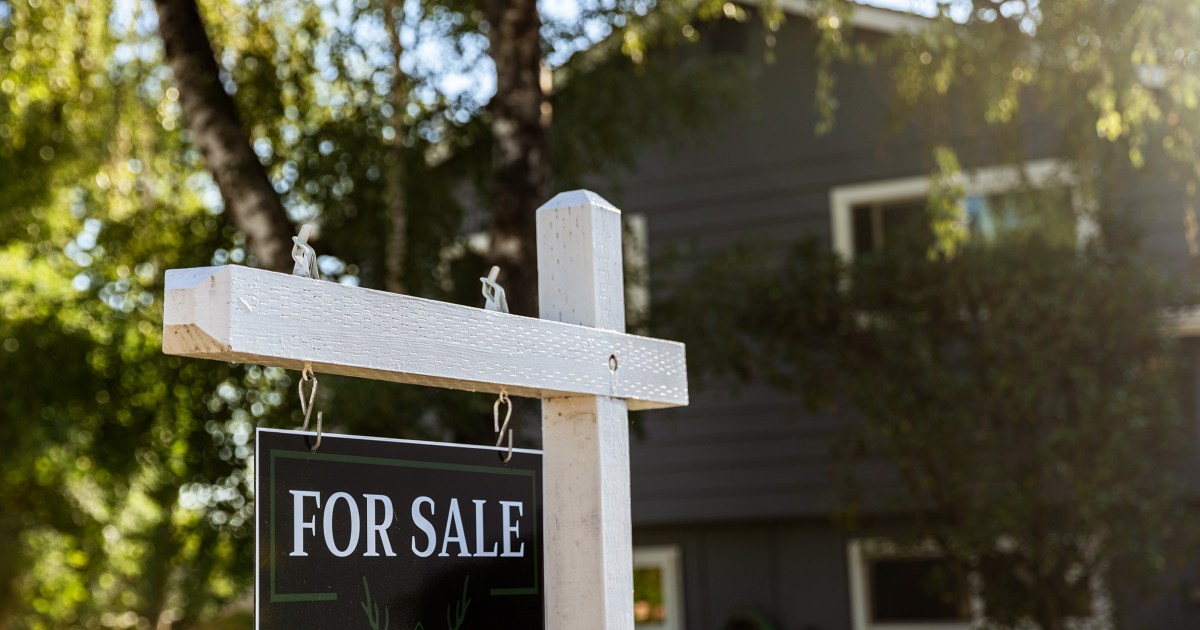
The bipartisan legislation was crafted in both chambers and must now pass the House. It seeks to build more homes and prevent large investors from out-bidding families.
The Senate voted overwhelmingly on Monday to pass a sweeping housing affordability bill aimed at lowering costs, putting Congress on the brink of a rare bipartisan victory in Donald Trump’s second term.
The vote was 85-5.
The legislation, which makes it easier to build homes and slaps limits on Wall Street investors from buying up houses, now goes to the House, which hopes to vote on it in the next few days. Then, it would go to Trump’s desk to be signed into law.
And since each company can own 350 homes, they’ll just spin up a new subsidiary that “outsources” property management to the original company and keep buying.
Does the bill mention ownership or beneficial ownership? Because the difference in terms might rule out subsidiaries.
Short version: if congress makes a law and you set up a structure to avoid whatever reporting requirement or income limitation or ownership limitation the law put in, you’ve only got a few years before you’re getting screwed by the feds.
Not a lawyer but I’ve seen this in titles 18 and 26 a bit too often.
It does mention aggregate, if Gemini Pro is to be trusted.
Thanks. Gemini pro 2 is not to be trusted though.
The bill mentions nothing of a 350 limit, where are you pulling that number?
And companies can’t buy more single family homes at all. So, no, they couldn’t do that. Only way to get more is by building them themselves and not selling - which is not the business model that builders use.
Edit: 350 is the number that could be used to define a large institutional investor, but the number is in aggregate, so spinning up a subsidiary doesn’t change the number it would own.