

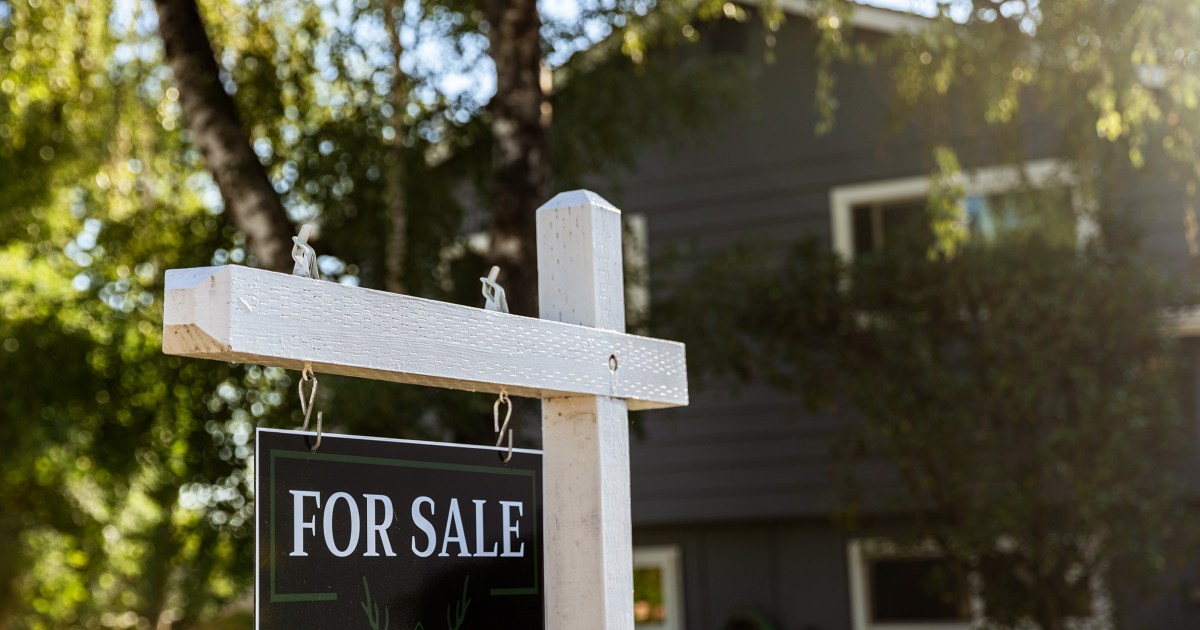
The bipartisan legislation was crafted in both chambers and must now pass the House. It seeks to build more homes and prevent large investors from out-bidding families.
The Senate voted overwhelmingly on Monday to pass a sweeping housing affordability bill aimed at lowering costs, putting Congress on the brink of a rare bipartisan victory in Donald Trump’s second term.
The vote was 85-5.
The legislation, which makes it easier to build homes and slaps limits on Wall Street investors from buying up houses, now goes to the House, which hopes to vote on it in the next few days. Then, it would go to Trump’s desk to be signed into law.
This is such a small step, but at least it’s a step. If politicians actually want to solve the problem, they have to prevent any legal entity from owning many single family homes. Make the limit something like 2, so a family can still have their cabin in the woods and their city home or whatever. So that you don’t flood the market and yank grandmas retirement plan of selling her home and moving to a retirement community start off big. For example starting this year no entity can own more than 100 homes. Next year it’s 90, then keep cutting by 10 a year till you get to 2. This will free up massive amounts of homes over the next 10 years. To plug the loophole of just spinning up LLCs to own houses, make it so corporations can only own multifamily residential of 4 or more units. Penalties need to have teeth as well. $100k fine per home initially, scaling up to seizing the property and selling to the highest bidder.
This will have the added effect of also preventing builders from just sitting on new builds till they get their ridiculous price. New builds will go to auction if not sold within a year of passing their certificate of occupancy.
There’s a lot more that’ll need to happen to keep rental apartments affordable as well, but getting corps out of single-family is a great start.
In parallel, initiate a scaling vacancy tax for both commercial and residential properties that rapidly ramps up the longer a property is left vacant.
i mean federal law isn’t going to address LLCs because it considers Limited Liability Companies to be partnerships. LLCs are a state thing