Chrome bumped its versioning numbers to overtake Firefox back in the day, that’s how we ended up with stupid version numbers like 124.1.2 instead of meaningful versions.
Same with Apple skipping iPhone 9 and ditching the S model name for spec bump releases so they have a higher number than the Samsung Galaxy S models and then Samsung went straight from S10 to S20 as a response.
It’s not really stupid. Even Linux versioning doesn’t mean anything. Linux 6.0 isn’t a bigger change than Linux 5.19. It actually feels more like a corporate thing that it is easier for them to have a consistent versioning increase and consistent release schedule. Major changes don’t need to be tied to a major change in number because, how do you decide what a major and minor change is? Do you need to group up changes and make the user wait so it becomes a new major version? Google also experienced fragmentation with Android in the past and likely wanted to avoid it. Because if you tie up specific stuff to specific browser versions, some people would want to keep a specific major browser version causing fragmentation. You can just dictate a specific end date of a feature support rather than a browser number to avoid fragmentation.

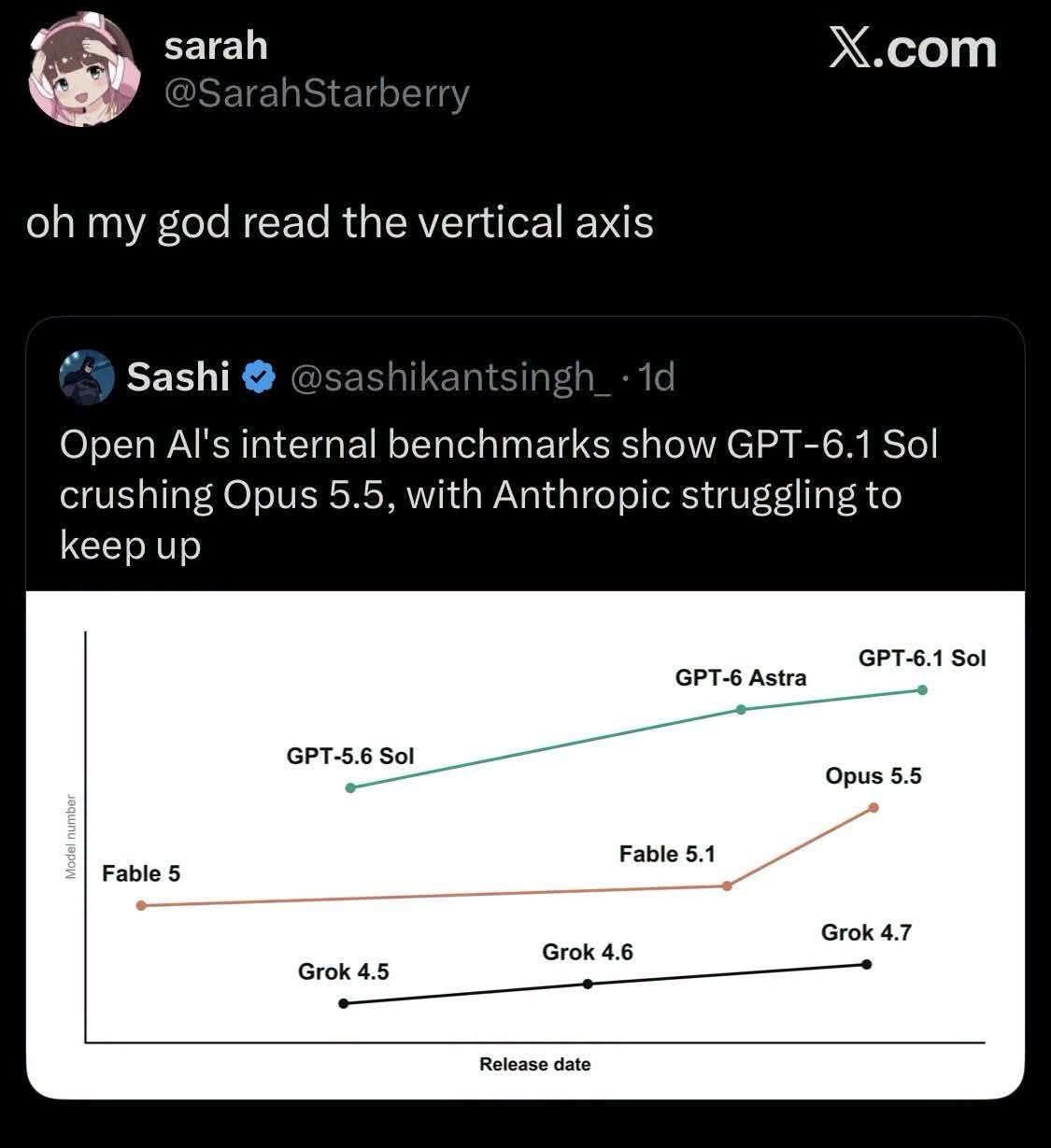
Chrome bumped its versioning numbers to overtake Firefox back in the day, that’s how we ended up with stupid version numbers like 124.1.2 instead of meaningful versions.
Same with Apple skipping iPhone 9 and ditching the S model name for spec bump releases so they have a higher number than the Samsung Galaxy S models and then Samsung went straight from S10 to S20 as a response.
I still hate how NVIDIA decided to go from the 980, to the 1080, to the 2080. I can’t keep up anymore!
My next graphics card will be an AMD.
That’s how you got stupid Xbox names as well.
Really the one thing Sony has, and continues, to do right.
It’s not really stupid. Even Linux versioning doesn’t mean anything. Linux 6.0 isn’t a bigger change than Linux 5.19. It actually feels more like a corporate thing that it is easier for them to have a consistent versioning increase and consistent release schedule. Major changes don’t need to be tied to a major change in number because, how do you decide what a major and minor change is? Do you need to group up changes and make the user wait so it becomes a new major version? Google also experienced fragmentation with Android in the past and likely wanted to avoid it. Because if you tie up specific stuff to specific browser versions, some people would want to keep a specific major browser version causing fragmentation. You can just dictate a specific end date of a feature support rather than a browser number to avoid fragmentation.
linus has specifically said that he increments the major number when he runs out of fingers and toes for the minor one