

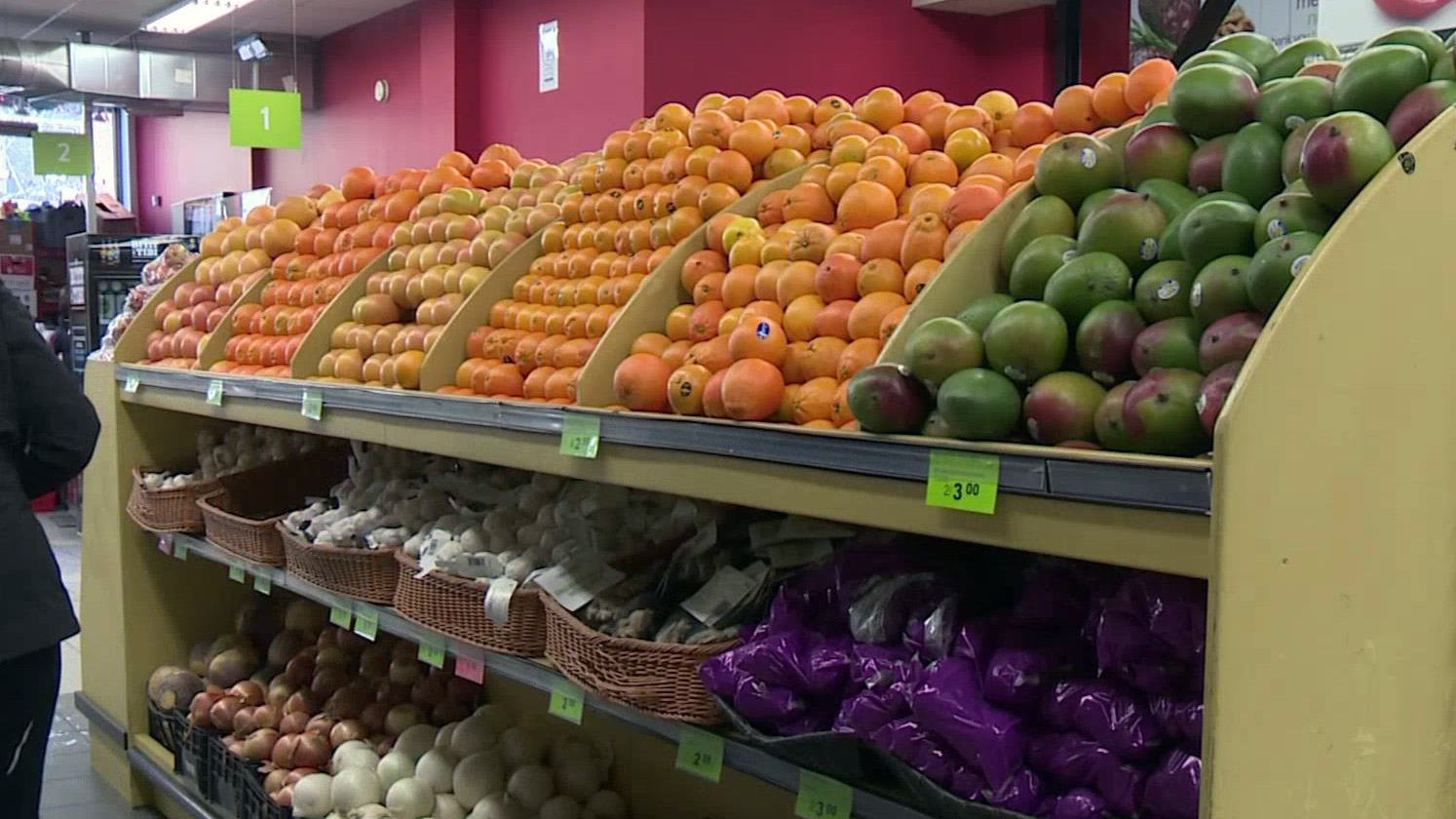
Toronto’s problem is zoning laws that prevent competition, just look at the cost of commercial real estate, no smaller grocer is going to survive renting commercial real estate.
Grocers make very low profits on their goods, but own a lot of real estate that pumps their margins up and creates an oligopoly; McDonalds works similarly as a franchise, they also own and lease the land.
If real estate prices dont rise then food prices need to rise to maintain profit margins. Which probably explains much of the food inflation, we are finally seeing the true economy when interest rates arent perpetually going lower.
Ford already tackled zoning. Municipalities don’t have that power.
https://www.ontario.ca/document/citizens-guide-land-use-planning/zoning-bylaws#section-12
Just subsidize
coopsco-ops!Edit: I meant cooperatives. Not chicken coops. LoL!
Where I’m from there’s city laws, building codes, health inspections, and HOA’s that all make having chicken coop’s impossible/illegal. It makes me so angry. Chickens would eat all the bugs, man… and we have bark scorpions to worry about.
🤣🤣🤣🤣
My friend. While I understand and agree with you, I was talking about co-ops. Cooperatives.
But yeah I feel the same way.
I think they’re talking about co-ops but valid, we need more chicken coops too
🤞
City council is expected to consider the motion at its next meeting on March 25th. If approved, the pilot program would move forward with plans for four locations across the city, though exactly where those stores could go hasn’t been decided yet.
Cue the lobbyists petitioning Ford to get involved to stop it…
my fingers are crossed for you Toronto.
That is a first tiny step towards the citizens owning their means of production. Now pass some protection laws so we can keep the greedy unions out and keep the costs fairly low.
You seriously think high grocery costs are due to unions? How are you both pro-communism and anti-union?
Its an interesting question, obviously a union would raise prices of goods. Which prevents poor people working in things like nail salons from affording food as easily, as the unionized grocer becomes a highly coveted position which gatekeeps food from the people that cant get hired there due to demand.
In an idyllic world where no capitalist greed is focused on maximizing shareholder value that might be a more significant concern. But in modern day, a union raising their wages by 10% might result in less than a 1% increase in user prices. Whereas the ruling class of capitalists are the true source of greedflation making products unaffordable.
If anything in your example I would argue that the better solution is actually more unions. Those nail salon workers should also earn living wages to afford the goods, which unions would fight for. I would be shocked to learn of any case where a union could be compared to the average elite-class capitalist in terms of greed.